Population and Sustainability

            A very common environmental issue earth currently faces is the increasing human population.  As time progressed, and technology advanced, humans have introduced themselves, and have adapted to different climate zones. Therefore, their existence has become present in most habitats or climate zones on earth. Secondly, because of  our advancing technologies, agriculture has significant improved, and the amount of production greatly increased. On a similar note, medicine has significantly improved along with other technologies. Due to the constant introduction of new medicines and advanced studies, standards in living has drastically improved. This later affected the drop in death rates.  What is most detrimental about this sudden increase in human population is how these humans are unequally distributed. In other words, most of the incoming humans from this population burst are located in less developed countries. Whereas, a small portion of these humans are located in more developed countries. What is very dangerous about overpopulation is the effects it can have on the environment. Having this large percentage of humans located in less developed countries puts a strain on the natural resources of that specific area. Also, the earth is designed to only support a certain number of people in a way that allows these people to live in comfort using the earth’s natural resources. This “limit” is often referred to as cultural carrying capacity. This sudden boost in the human population can push the limits of the earth’s carrying capacity.

            Another very important fact to keep in mind that, although the less developed countries tend to influence the increase in birth rates, it is the more developed countries who have a larger ecological footprint. According to the text, The United States is considered the most overpopulated country in the world. This also refers to the amount of resources each person uses.  Therefore, influencing its ecological footprint. Most of the United State’s population growth is influenced by the people who migrate to the country. In this case, legal immigrants account for one third of the US population.  It seems as if most people migrate to the US to improve their economic conditions, but also, this sudden boost in incoming migrants will increase the ecological footprint of the country.  In brief, there are three important things to keep in mind when referring to overpopulation: cultural carrying capacity, ecological footprint (resource depletion), and unequal distribution of the people (strain on natural resources).The whole purpose of sustainability is to ensure the well being of future generations. In this case, the majority of humans living in more developed countries demand more than their means. In other words,  humans are consuming more than the individual limit.

            There have been some developing countries that have attempted to approach this issue on overpopulation. In order to reduce the booming birth rates, there have been a a few countries that have attempted to control their population. A very popular example that is commonly referenced in the text is the one- child policy in China. In the 1970s, China was facing severe issues relating to starvation and limited natural resources to support the population. Therefore, they enacted a policy that encouraged families to have no more than one child.  This limited the unnecessary boost in population. In class, a group discussed the ethics of the population control in China. The presentation referenced more ethical or fair ways of promoting birth control or population control (mentioned in textbook as well). First off, it is necessary for women to be empowered to make their own decisions, especially when it comes to reproducing. Secondly, education is a key factor in understanding sustainability and our individual role on this earth. The same way environmental education is important for all individuals, it is essential for families especially women to have resources to contraceptives. Not just contraceptives, but if education in general is granted to more women, then this can easily increase the number of women in the workforce.

            One of the major ideas presented by Miller is this idea of urbanization. This simply refers to expansion of cities. Urbanization introduces many new industries or corporations that encourage economic growth. Urbanization also provides residents with better resources to health care, education, and planned parenthood resources.  Also, Miller stated this idea of population concentration in these cities. This concentration reduces the destruction of the earth’s natural biodiversity. However, I personally believe that urbanization would increase the destruction of biodiversity. Typically, the industries that transport products to urban cities consume more natural resources in other natural habitats or climate zones. Also, with the introduction of urbanization, there has been an increase in several environmental issues. This includes issues relating to clean air and water. This later influences the overall public health of the city. Lastly, urban cities tend to have larger ecological footprints due to their high increase in energy and resource consumption. Although urbanization has more negative impacts on the environment than positive, there has been several ideas that have introduced this concept of transforming these urban cities into a more environmentally sustainable community. This transformation is often referred to as ecocity, and it is a concept that plans to implement  a self sustaining structure. Ecocities aim to conserve resources by eliminating the need to use renewable resources that cannot be replaced quickly. 

            The textbook mentioned a city in Brazil that represented this ideal ecocity. In the late 1960’s in Curitiba, Brazil, city planners wished to implement a a mass transit system .This of course reduces the need for cities to provide accommodations for cars.  Since the introduction of this efficient transit system, the majority of  residents in this part of Brazil use the transit system.  Not only is this mass transit system more efficient, but modern buses have been designed to reduce air pollution. Besides promoting sustainable methods of transportation, Curitiba has also encouraged a recycling system, that has encouraged the reduction of waste. In addition, these recycled materials are collected three times a week. By providing this schedule, residents are in a way enforced to contribute to this sustainable way of living. Another very interesting technology that I found intriguing is this idea od hydroponic gardens. This type of vegetation production can be implemented in buildings and office, or greenhouses. A few advantages of this form of food production is that water can be reused; hydroponic gardening requires less water than soil based gardening. Typically, if these gardens are located in very isolated and sterile locations, there will be no reason to use pesticides. Lastly, this form of gardening requires less space, and can be implemented in most areas. 
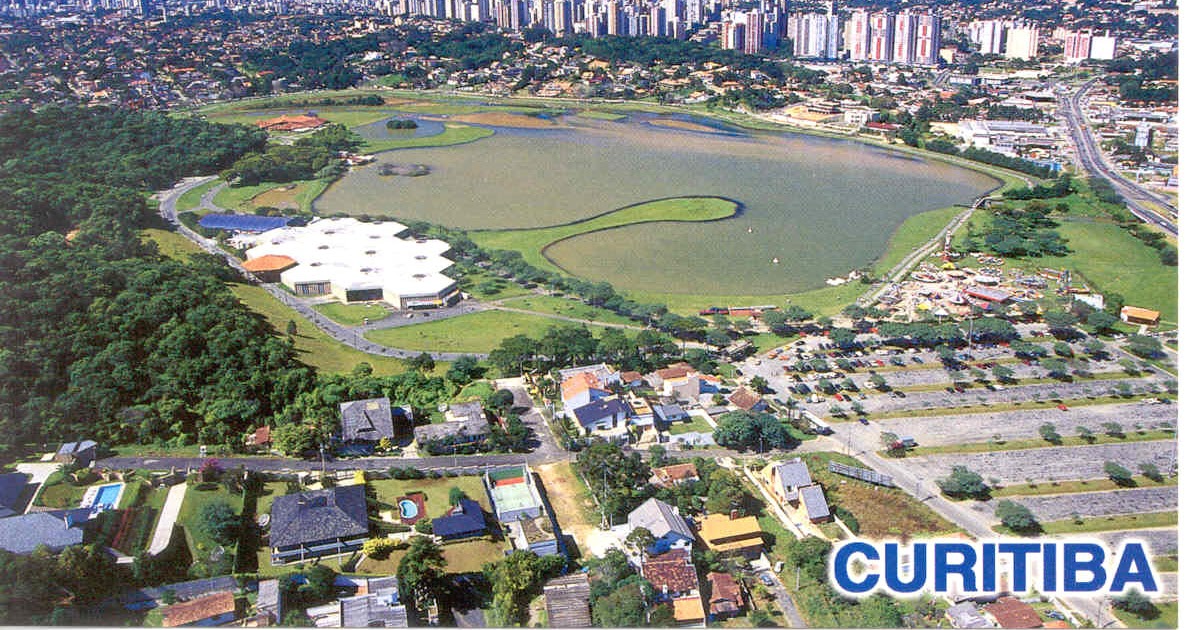
example of an ecocity, an ideal approach to urbanization

            Most Urban cities do have a high number of low income communities, in this case how can these communities contribute to the sustainability of their environment without the proper resources such as money and education?

Word count : 1139

Ecocitizen. “EcoCitification.” Curitiba, Brazil: Advantages vs. Disadvantages, ecocitification.blogspot.com/2009/12/curitiba-advantages-vs-disadvantages.html.

Miller, G. Tyler, and Scott Spoolman. Living in the Environment. Cengage Learning, 2015.
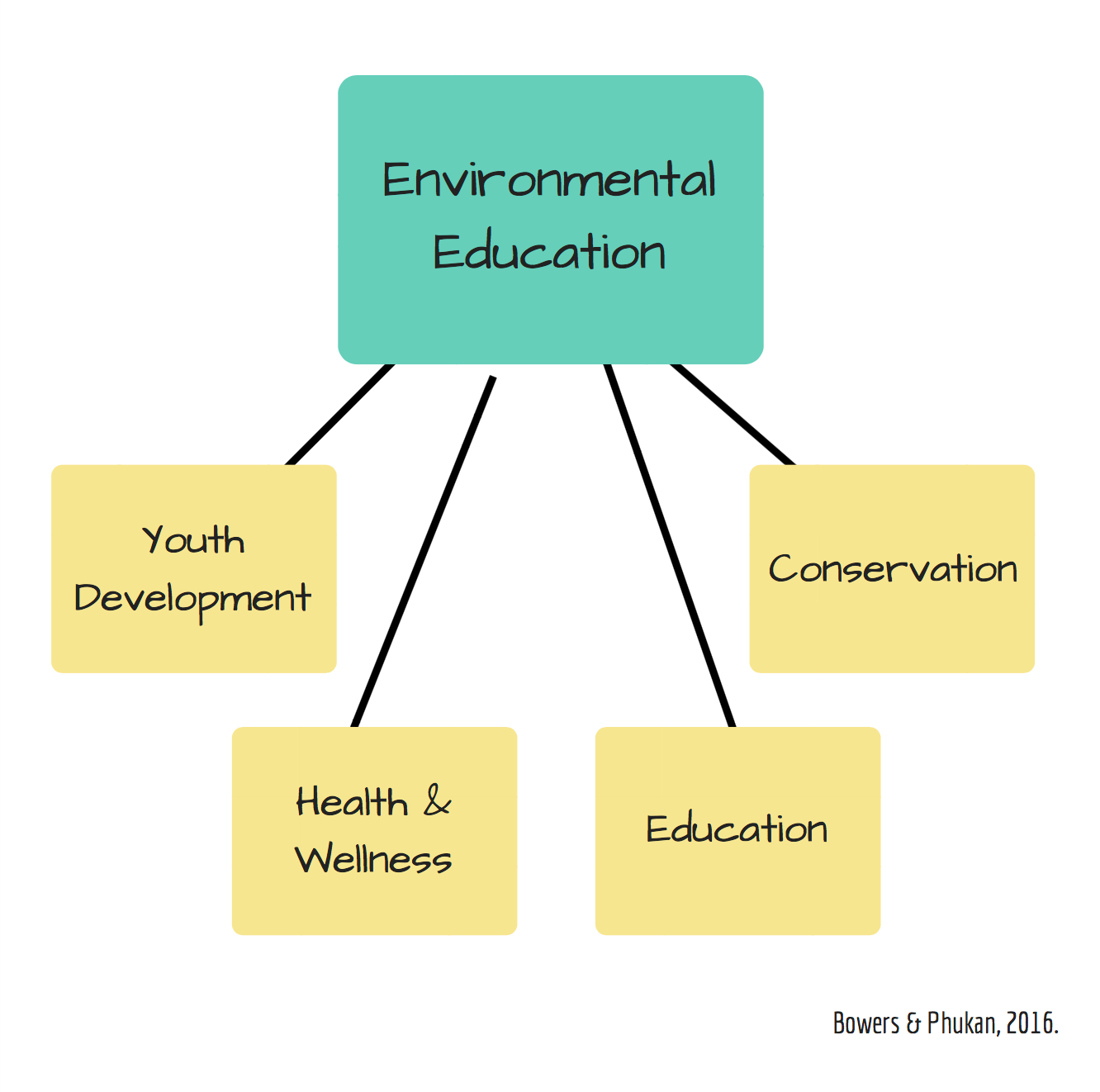
Environmental Economics & Politics

     For centuries, societies have strongly depended on their economies for the societies’ financial well being. These economic systems simply place an importance on satisfying the people and their needs or wants through products and services. These economic systems support themselves through three types of resources: Natural capital, human capital, and manufactured capital. A Natural capital simply refers to the resources received directly from the environment.  Not only does this include resources, but natural services too, such as chemical cycling, and water purification. Second, human capital refers to the input humans such as physical labor, and mental capabilities. Lastly, manufactured capital/ resource refers to the technology used by humans to design or construct products.  With this countries sudden boost in supply and demand over the past few decades, the need for resources has increased as well. The one resource most impacted by human’s desire to promote economic growth, is natural capital. This chapter demonstrates the opinions of many economists and their perspectives on our natural resources, and the success of the economy.

            In most recent years, human’s impact on the environment has become more evident and severe. Our exploitation of natural resources has introduced a variety of environmental issues that can and will easily influence the lives of future generations. It is obvious that some natural resources can be renewed, but with the pace humans use these resources,  they will soon diminish or become scarce. As environmental issues such as climate change, and pollution becomes more prevalent, more companies or industries are becoming more aware of their impact on the environment. However, unfortunately, for many of these money driven corporations, the well being of the environment and the future is irrelevant. This type of perspective may be understandable if their approach to selling products and services was more honest. In other words, as the chapter stated, if companies were more honest about the production of their services or products, people will become more aware of its detrimental effects towards the environment. This type of dishonesty refers to the hidden costs of products. Many environmental economist believe that companies should be obligated to include the price of every single resource/ labor used to create products. This, of course, will be more costly for companies, and this will quickly influence the decrease in clients or customers. In class, we discussed an example of this hidden cost production of goods. A hamburger in most fast food locations usually cost less than five dollars. However, this products and its price does not accurately reflect the costs of everything that went into the production of the burger. Considering the water and carbon footprints, and green house gas emission, this product should cost around fifteen to twenty dollars. This is an obvious sign of resource exploitation and it emphasizes our ignorance towards the limited amount of natural resources we have. (no natural  resource is unlimited). Also, in recent years, many analyst have advised to encourage economic development, but in a way that will promote environmentally sustainable methods.

            One of the most important points made in Chapter 23, that I believe is important to understand, especially if we are encouraging economic development that uses more sustainable methods, is the wealth gap between the poor and the rich. Many people who live in poverty in less developed countries suffer from the negative impacts on their environment. In other words,  by focusing on these less privileged countries, we would be able to promote the expansion of  sustainable communities. For example, people who live in poverty suffer from the diseases present in their environment. Also, due to these people’s lack of healthy living conditions, most of them are located in very polluted areas. By investing a money in these areas, these people can be provided with an education, resources such as family planning to control the population growth, energy efficient transportation, and most importantly, jobs that encourage people to practice sustainable ways of living, such as recycling. 

            In relation to this issue of poverty, a case study presented in the reading that I found very interesting and admirable is the involvement of Muhammad Yunus with the impoverished communities of Bangladesh. Yunus introduced microloans to the poor communities. He granted this opportunity to, especially women, in order to provide a minor financial boost in order to help certain people’s circumstance. Besdies allowing people to open small businesses, but by providing these people with this opportunity, many people were able to afford means of transportation that are eco friendly. These modes of transportation would allow people to collect recyclable materials for money. With these small investments in impoverished communities, any sustainable methods of living are quickly implemented and practiced.

            For most environmental economists, the government should be required to implement certain policies that can promote sustainable methods of  production for most industries. Some of the most commonly proposed ways in which the government should be involved with industries is by encouraging corporations to commit to full cost pricing, incentives with tax breaks and subsidies, and preservation of open access natural resources. Like mentioned in the previous paragraphs, full cost pricing encourages corporations to include all the hidden costs of products in the total value; this includes mentioning the price of the damage they did to the environment to design and construct the service or product. Next, the government should pose taxes or subsidies to limit and control the exploitation of natural resources. Lastly, and most importantly, in my opinion, it is essential for the government to intervene with social matters that involve open access resources. For example, due to the ocean and air being open to everyone, many will take advantage and exploit these resources, therefore, the government should devise policies that sets limits and boundaries on the usage of these open access resources. 

            In one of the case studies presented in class, an organization called Greenpeace works preserve and protect many environmental resources. Due to the difficulty of implementing policies because of the long processes, this organization works to directly expose the impact humans have on the environment. What interested me was that this organization is aiming to protect at least forty percent  of the ocean, and currently only two percent of it is protected now. 

            The government does not pay close attention to the impact industries have on the environment. As a nation, most of our priorities revolve around increasing our production of goods and wealth. Therefore, industry regulation is considered a last priority. Also, the same wealth is used to gain certain advantages or opportunities wealth is also used to attack environmental laws and regulation. In other words, like I mentioned before, our priorities are not well ordered (wealth- priority), and wealthy people or corporations are able to afford paying their way around environmental regulations.

            How effective is it to estimate the monetary value of resources if it does not accurately reflect the price / impact we have on the environment’s resources?

Word count: 1160

Literacy and its Ethical effects


As time progressed, and species evolved, humans have proved their dominance as organisms on earth. Their ability to think critically, and produce technological advancements that support their wants and needs is the main characteristic that makes humans distinct from other species. However, as the wants and desires for “unnecessary necessities” increased, the exploitation of natural resources increased as well. Due to such technological and societal advancements, humans have become disconnected and unaware of the environment that supplies them with the natural resources they need to preserve such a high maintenance life style. This sense of apathy and greed contributed to the worldviews people have today of society. One of the most commonly known worldviews that has shaped society for centuries is the anthropocentric worldview. This is also referred to as the self centered perspective of the environment. Due to the lack of environmental literacy, most communities adopted this worldview of simply caring for oneself and their personal needs and wants. On the contrary, with more recent discoveries and studies on the detrimental impact humans have on society, a biocentric worldview and mindset has been encouraged. This mindset simply refers to ideals that values and cherishes the beauty and wealth of the environment. Therefore people with this biocentric perspective seek ways to implement sustainability practices into their everyday lives.

            This chapter primarily discusses the steps humans can take within their community to minimize their impact on the environment. However, the first step to contributing to the environment is literacy. It is essential to understand and internalize the effects our daily activities. There were a few important concepts listed in the chapter that emphasizes important ideals essential to environmental literacy. First off, it is important to understand that natural capital is vital for the well being of the earth and our economies. In other words, we must understand that every aspect of environment has its importance. Second off, our ecological footprint has grown a significant amount over time. Everyday our exploitation of natural resources is increasing and it is essential to remember that our resources are not unlimited. Therefore, the more we encourage this “high maintenance” lifestyle, the more our natural resources will decline. This can lead to the shortage of natural resources that were once used to sustain human life on earth.

Lastly, environmental changes such as climate change can not be fixed. In other words, once a certain point is reach, there is no way of turning back and eliminating our impact; there will be no human technological advancement that can undo human activities. (Miller 666).

            A way to emphasize the importance of altering our worldviews and environmental literacy, Miller presented a case study. The case study referred to a project called Biosphere 2, and in this project a group of biologists and scientists gathered to mimic the natural environment. This projected really demonstrated the importance of the environment and how we need the earth more than it needs us. Also, it is impossible for humans to mimic the natural environment using technological advancements. With this project, the ones involved attempted to recreate a society using technology to sustain their life. They closed themselves off form the natural environment in a glass sheltered building. They carefully chose specific organisms that they thought were most essential in the environment. The organisms they chose were based on their needs. Organisms that supplied them with food, air, and water. In conclusion, the experimenters were very unsuccessful; most of the organisms they had chosen had died way before the planned “end time” of the experiment. Not only were most of their chosen organisms extinct, but their food supply did very little to nourish their bodies. They were unable to produce a sufficient amount of oxygen, sustain living organisms they needed to lie, and they were unable to efficiently and healthy provide themselves with nourishing food.

            Miller had a very interesting and effective way of describing our roles in relation to the well being of the earth. As humans we views the earth as physical property of ours. We have this mentality that the earth belongs to us. However, it is quite the opposite, we are just organisms that are part of the earth. We do not own the earth, in reality we are components of the earth. Therefore, with the way humans live today, our natural resources are being used up more that the earth can reproduce. Our mentality as humans encourage us to satisfy our wants and needs, leading to this sense of greed. Due to this immense amount of selfishness and greed, we are affecting not just the environment in the future generations of humans and other species.

            Another step I found essential to this problem of ignorance and greed, is incorporating the three most important suitability ideals into our everyday thinking activities. Moreover, through these quick changes in lifestyles we can quickly prevent this problem of resource exploitations and extinctions from advancing. For example, by simply converting all our sources of energy to from fossil fuels to solar energy we are quickly eliminating the potential annihilation of natural resources. Also, by respecting our boundaries with resource exploitations, we are directly contributing to the maintenance of nutrient cycling. Lastly, biodiversity is an essential part of our everyday living. In other words, without the diversity of organisms in our environment, we would be unable to maintain the everyday necessities of human beings. This goes back to this idea of respecting every single organism placed within our ecosystem. Although we are unable to see the physical impact of many organisms, they all have their purpose and role. 

            Lastly, when realizing all the detrimental affects we have already have on society, most people go through two specific phases. One phase is this heavy reliance on technology and this idea that technology advancements will save us from this potential “end”. The last mentality is one I personally find myself falling into: the hopeless and sad. These certain people lose all faith in the resilience of humans in relation to our ethical responsibility towards the environment. Personally, when I feel this sense of hopelessness towards the promises of change and sustainability, I remind myself that by giving up I am only adding to the greed and selfishness of humanity. That  thought is more devastating than the thoughts of hopelessness. If  we fall into either trap, it is simply because we have not encountered enough information that can develop our fight for change. 

            Personally, I believe one of the most effective ways of education individuals is through hands on or first person experiences. As a person raised in New York City, I rarely had interactions with nature or the natural environment. Also, environmental education was never a subject introduced in most urban schools. Therefore, in a way, I was unaware of the severity of human ecological footprints. However, during my high school career I joined an outdoors program that introduced me to outdoor recreational activities. Only after this experience in nature did I become aware of the beauty of nature and all the gifts and resources the environment provides for us. Through this hands on experience, I was able to understand how severe the exploitation of natural resources truly is. In brief, in order for individuals to internalize and implement environmental ethics, and literacy into their everyday lives, it is essential for these individuals to be exposed through “hands on” experiences.


Is environmental literacy/ ethics enough to “persuade” people to live sustainably ?(people with limited opportunities to interact with nature or people who come from low income neighborhoods)

Word Count: 1272

“Environmental Literacy – Teaching 21st Century Literacies.” Google Sites, sites.google.com/site/teaching21stcenturyliteracies/environmental-literacy.

Miller, G. Tyler, and Scott Spoolman. Living in the Environment. Cengage Learning, 2015.
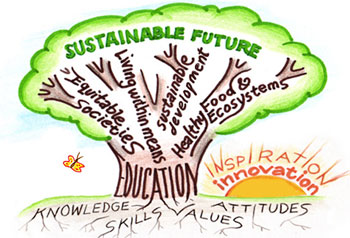
“Why Is Environmental Education Important?” Environmental Education Association of New Mexico, eeanm.org/about/why-ee/.

Understanding Environmental History and our role


                        Understanding Environmental History & our role

There is an abundance of unique historical studies that focus on different aspects of life on earth. One of the most important studies that are often engrained within academic requirements in most educational institution is conventional history. Throughout most education systems across the United States, they prioritize subjects such as mathematics, science, and history.  This specific subject of history, conventional history focuses on the development of humans and civilizations. The time frame for his specific study is 5000 BCE- present. Most historians who study the development of civilizations rely on physical objects such as documents and records in order to analyze and understand the social environment in historic civilizations. Due to these limited amount of resources, conventional history is most effectively taught and learned through books and texts.   Like I mentioned before, this form of history is taught in most primary and secondary schools.  Therefore, most conventional historic information can be found in textbooks, historical books, and old documents. Due to this early exposure of conventional history, most students such as myself become unaware that conventional history is simply a branch of history.  Personally, being a visual and kinesthetic learner, I analyze and internalize information more effectively with interactive and visual modes of learning. Therefore, I was able to grasp and understand more information in Big History (An aspect of Environmental History). Big History also focuses on humans, but it primarily targets humans and how they fit and work within the universe as a whole. In other words, Big History analyzes humans and their interactions and impacts on the earth/ environment. The time frame for this specific study starts around the Big Bang until the present day. According to the Wikipedia sight that references “Big History”, Big History is considered a “macro history”. This simply means that Big History does not focus on specific subjects, but rather, it views history as a whole. It analyze humans and how they directly influence the universe. Macro history also seeks larger problems in the universe, and it studies long terms trends in history. What is interesting about Big History is, historic environmental information is primarily conveyed through visuals and interactive websites.

Personally, any academic sources of learning that use interactive modes of conveying information intrigue me. Therefore, after discovering this approach to history I was motivated to research more about Big History. I went on a few websites that provides Big History courses and lesson plans such as corrowsbighistory.files.wordpress.com, and the bighistoryproject.com. To begin, the second website was absolutely fascinating. The website itself was extremely bright, colorful, and intriguing. On the front page there are pictures portrayed wildlife, and the environment. I watched a quick video introducing the the courses, and from the previews I was able to be fully immersed in their video. They demonstrated the importance of studying time frames with a brightly colored timeline that provided viewers with visuals and brief facts. Also, the website focused on understanding human activity and their impact on the environment. For example, they demonstrated a variety of human activities that have affected humans themselves and other living beings in negative ways. In the video, there was references to the atomic bombings of Hiroshima and Nagasaki, and agriculture etc.

Another crucial aspect  of environmental history is understanding how nature influences the transformations of a civilization and in return humans affect the development of nature. As time progresses and humans influence civilization and technological advances, our impact as humans on the environment steadily increases. For example, when humans began prioritizing industrialization,  activities such as deforestation began to occur. Not only are humans impacting the biodiversity of the environment but they are also influencing the emission of excessive gasses into the air, thus influencing global warming.  After the introduction of these industries, the increase in pollution begins to affect the environment and humans themselves. When humans begin to encounter the aftermath of their activities, they become aware of the negative impact their actions have. Through experiences like these, environmental literacy occurs, and conservative ideologies occur leading to environmentalism. By prioritizing environmentalism, some people begin to believe in the importance of identifying and acknowledging the environment with its beauty and resources, and understanding the overuse of these natural resources. Also, environmentalist also acknowledge the impact industries have on the environment, and how it is our responsibility to understand that industries are not priorities and they are causing more harm than good. Lastly, they believe that it is essential for humans to advocate for the protection of wildlife, and the natural resources of an environment. Along with advocating for the protection of the environment, we must acknowledge our impact and consider ways to improve our lifestyles. Moreover, this simply means learning how to contribute to the conservation of the environment, and practicing how to keep our environment clean and safe.

This exposure to environmental awareness slowly increased over time. In other words, because we learn through experience, it takes a bit of time to acknowledge our actions and how to prevent further damage. In class, during the student presentation, my classmate presented a wonderful example of the sudden environmental awareness. She mentioned the Great Smog of 1952. It was mentioned how the temperature and the smoke from the industries did not quite work well together, and instead of the smoke dissipating, it spread through the entire city.  This air pollution impacted the overall health and well being of the citizens. This later impacted the way the citizens viewed the entire situation. It was almost like a wakeup call, and the citizens began advocating for the improvement of air pollution. Through this experience and, aftermath of self awareness, the Clean Air Act of 1956 was passed. Essentially, this encouraged the restriction on excessive smoke emission. This later influenced the reduction of air pollution, and the overall wellbeing of the people’s health and social environment.

            Even through these devastating experiences such as the bombing of Hiroshima, and air pollution in urban settings, some very important political figures show a disinterest in environmental literacy. In other words, the success of industries and factories is far more important than the conservation of our environment. I believe as a society we have come far with acknowledging our detrimental effects towards the environment, but we still have room for improvement (in environmental literacy). We need to fully grasp this idea that our natural resources are not limitless, and we need to set boundaries for our well being, and the well being of the environment and future generations. Lastly, it is important to not just acknowledge our wrongs, but instead work towards reducing our impact. For example, the principles of sustainability are essential aspects of conservation that we need to abide by. This will reduce our ecological footprint, and it will preserve natural resources for future generations.

effects of the bombing of Nagasaki and Hiroshima still remain (radiation)

Why can Big History only be taught through websites and interactive learning? (why not books? Is it because it is more recent?)

Word Count: 1166

Miller, G. Tyler, and Scott Spoolman. Living in the Environment. Cengage Learning, 2015.
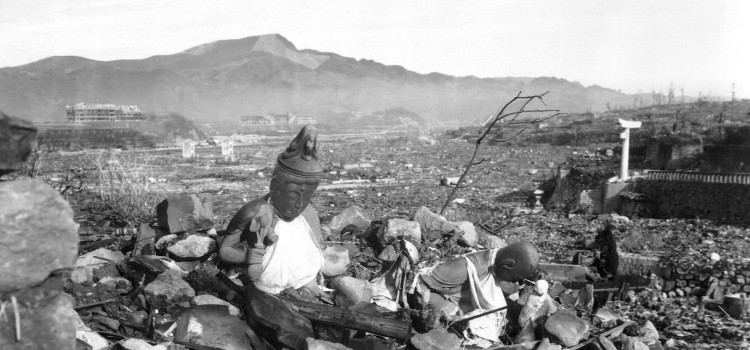
“Seventy Years Later, Atomic Bombs Still Influence Health Research.” Inside Science, 23 Aug. 2016, http://www.insidescience.org/news/seventy-years-later-atomic-bombs-still-influence-health-research.

What keeps organisms alive


                                    What keeps organisms alive

            The three ideal concepts of sustainability include the encouragement of biodiversity, the dependence on solar energy, and lastly chemical cycling. These three principles refer to systems that occur within the environment naturally. In other words, in order for the earth to preserve and maintain its natural resources it relies on the practice of these sustainability concepts. In most cases these three principles work hand in hand with each other; they influence the success of one another. For example, a very essential ecosystem that represents our earth’s biodiversity is forests. Forests hold one of the most diverse ecosystems; organisms very from being consumers, producers, and decomposers. These three types of organisms are vital to the overall well being of the environment. Every ecosystem requires a producer, which refers to an organism that uses photosynthesis to produce their own energy and nutrients. These producers are later eaten by other organisms who are unable to produce their own food and nutrients. These organisms who rely on the producers are called consumers. Lastly, we have decomposers, which are organisms that decompose organic material or substances. All these forms of organisms are essential in an ecosystem in order to create a balance. Without this biodiversity, there would not be a healthy ecosystem that provides us with clean water, purified air, nutrients to consume etc. Since the beginning of time, most developed county’s rely on selling resources for profit. In other words, my country’s use their natural resources to gain profit. Due to this high demand of land for livestock or trees, deforestation has occurred. The wiping out of forests in order to use that land or resources has negatively affected the environment. By eliminating trees and the organisms of this ecosystem, issues relating to the nutrient cycle occur. By eliminating the trees the phospurus levels in the soil slowly diminish and these greatly impacts the growth of plants and other organisms. This process further prevents natural resources from renewing in a timely manner. Also, a very interest fact stated in the textbook is that a forest that has been wiped out retains significantly less water than a forest that has been untouched. This later affects the amount of nutrients the soil can retain. The wiped out land will retain less water and less nutrients making it more difficult for the natural resources to renew themselves. I mentioned the biodiversity and nutrient cycling and solar energy of the forest because I noticed an interesting connection. Without the biodiversity of an ecosystem, organisms such as consumers and decomposers will not be able to receive the proper energy and nutrients they need. Furthermore, without the biodiversity and energy absorption of producers there would be no nutrient cycling. Each principle of sustainability naturally works together to efficiently create a system that effectively uses the natural resources in this earth with moderation.

            Another very interesting concept introduced was the explanation for what keeps organisms alive. There are four important components of earth that allow organisms to survive and function. These components include the air, soil and sediments, living things and water. These aspects of earth are referred to as the atmosphere,  geosphere, biosphere, and hydrosphere. First off, the atmosphere refers to the top layer of the earth that contains most of the air on earth. However, this is not the air that influence the everyday lives of organisms. Further within the atmosphere is the troposphere. The troposphere contains the air organisms need to survive, in other words this part of the earth consists mainly of nitrogen and oxygen. In relation to these chemicals needed to breathe, a small portion of the troposphere conatins chemicals that are part of the greenhouse affect. Interestingly enough, without the emission of these gasses the earth would be too cold for organisms to survive. Therefore, with the help of these gas emissions, the earth warms up enough for living organisms to survive. Another very important aspect of the atmosphere is the stratosphere.  In t brief, layer of the atmosphere provides protection from the UV rays of the sun. What clarified this definition was the metaphor the textbook provided by comparing the stratosphere to sunscreen. Secondly, the most vital part of plant regrowth is the soil. Soil is the outermost layer of the geosphere. Majority of the geosphere is in the innermost part of the earth. However, most of the resources that the geosphere provides living organisms is mainly on the top layer and it consists of mostly nonrenewable resources. This refers to the minerals and nutrients provided by the soil and fossil fuels used to produce energy. Next, the biosphere refers to all the living organisms on earth. What was surprising to me was that this part of the earth accounts for a significantly small part of it.  All life on earth can be found is all these four components of earth. Lastly, the hydrosphere refers to all the bodies of water on earth. Most of earth consists of water, therefore, according to the Miller, the water is made up of 71% water. Due to earth’s immense amount of water, this natural resource can vary in condition. In other words, water can be found is a variety of different states such as water vapor, liquid water, and ice.  

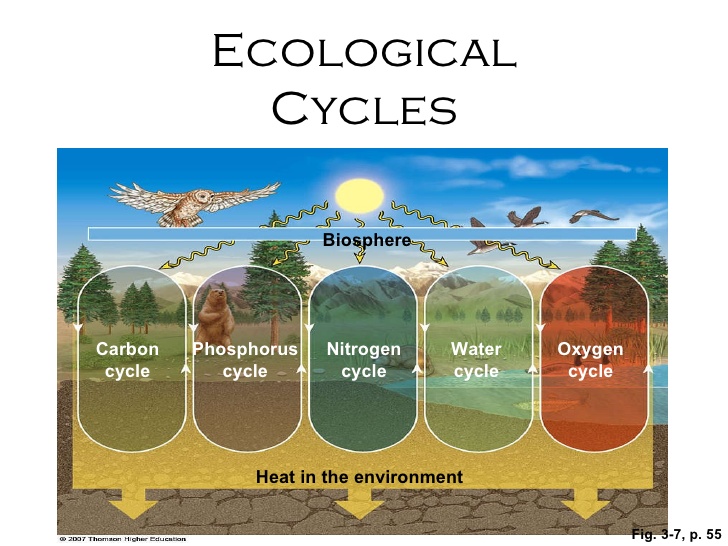
            Not only are these four components of earth essential for the everyday lives of all organisms, but they allow natural processes to occur. By this, I am referring to natural cycles that help sustain the environment’s resources. There are a variety of natural cycles that occur on earth. One of these natural cycles includes nutrient cycling. In order for nutrients to transport through the earth to reach all organisms, it needs transportation mediums such as the air, water, soil, and living organisms. When these natural processes occur, there tends to be an abundance of nutrients that are stored in certain parts or layers of the earth (geosphere, hydrosphere etc.). These storage of nutrients refers to the reservoirs of the earth. Next, there is the phosphorus cycle, and this process primarily occurs in the geosphere, hydrosphere, and biosphere. Phosphorus is an important nutrient that is needed by all organisms especially producers, who absorb this nutrient to produce energy and encourage growth. Phosphorus, for the most part, remains in the soil, but when it is being transported, it uses natural resources such as living organisms and water. Living organisms consume this nutrient and later produce waste that allows this nutrient to return to the soil. Water on the other hand, passes over soil and encourages the erosion of the soil and the transportation of phosphorus from one part of the earth to another. This later encourages the absorption of the nutrient elsewhere. Lastly, I have not mentioned the atmosphere because this part of the earth plays no role in the cycling of phosphorus. This nutrient primarily stays on earth and is unable to be transported by the air. Besides these two cycles I have just mentioned, there is also four other cycles that are mentioned in the texts that are vital to the environment’s overall well being. These cycles include the sulfur, nitrogen, carbon and water cycle. These cycles are clear demonstrations of how the earth’s components are major influencers of the recycling and maintenance of its natural resources.

If one of the earth’s most diverse ecosystem (the forest) represents a small portion of the earth…. How is it enough to sustain earth now?

Word Count: 1246

Brandeis High School. “Ecological Cycles.” LinkedIn SlideShare, 19 July 2010, http://www.slideshare.net/mccracken/ecological-cycles.

Miller, G. Tyler, and Scott Spoolman. Living in the Environment. Cengage Learning, 2015.
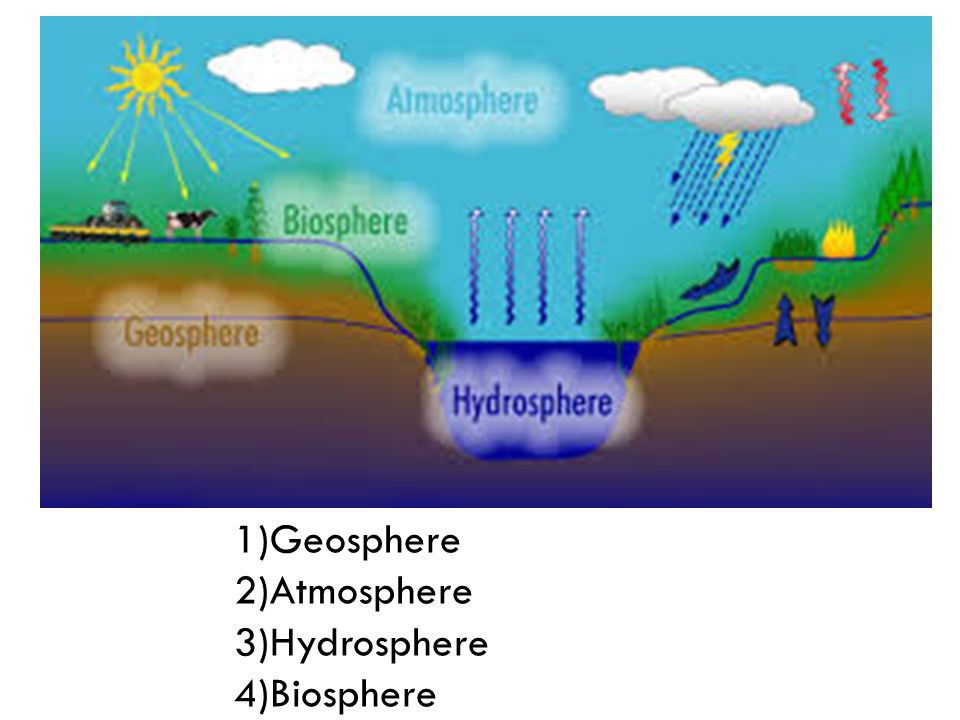
“THY DYNAMIC EARTH Geosphere, Atmosphere, Hydrosphere & Biosphere. – Ppt Download.” SlidePlayer, SlidePlayer, slideplayer.com/slide/9512189/.

How to Contribute: Principles of Sustainability

            As humans, our reliance on our natural resources has always been essential in order to satisfy our wants and needs. These natural resources can range from something as easily accessible as water to oil and coal. As time progressed, our reliance on these resources has steadily increased; this excessive amount of reliance has lead to a variety of negative impacts on our environment. What is quite surprising is that, even with the advanced technology in today’s society, we as humans have inflicted much damage on the environment by slowly increasing our ecological footprint. In other words, a human’s increasing impact on the environment is evident with an individual’s ecological footprint. Although negative environmental impacts such as pollution, and depletion of natural resources has immensely increased over the past few decades, there is a variety of different ways communities or societies can prevent further damages from occurring. 

            Besides the introduction of new advanced technology that can reduce the depletion of natural resources, the most efficient and easiest way to prevent further damage through sustainability.  Sustainability simply refers to the maintenance of something at a certain level. In other words, sustainability requires a community to be conscious of the resources they use, how much they use of it, and what they are doing to minimize the impact of this usage. I personally believe one of the most important aspects of sustainability understanding the differences between perpetual resources, renewable resources, and non renewable sources. Perpetual resources refer to natural resources that have a never ending supply. This includes energy sources such as solar energy, wind energy, etc. Next, renewable resources refer to resources that can be replenished over a reasonable amount of time from consumptions and depletion. Examples of these resources are water, biomass, soil, oxygen etc. Lastly, non-renewable resources cannot be replenished within a reasonable, amount of time (human time frame). These resources can include coal, oil, and petroleum jelly. Being aware of the differences in resources will better clarify what it is one needs to do to reduce their ecological footprint. Another very essential aspect of sustainability is the three principles associated with it. The principles allow us to understand the three most important aspects of sustainability that directly affects and minimizes our impact on the environment. A very prevalent characteristic of many societies and communities in the 21stcentury is the advancement in technology. With these new advancements our reliance on electricity has increased immensely. Therefore, it is essential to understand the different ways of attaining electricity and energy in an environmentally conscious way. Furthermore, with perpetual resources such as solar energy or wind energy, one can reduce their usage of electricity that is generated from nonrenewable resources such as fossil fuels. The second principle of sustainability includes the encouragement of biological diversity. This simply refers to the immense number of  diverse organisms and habits. Although this may seem difficult to directly influence, but through simple acts such as reducing the usage of pesticides and fertilizers, or restoring habitats in the community can greatly influence the preservation of biological diversity. Lastly, nutrient cycling is the natural process of nutrients being consumed by organisms and eventually returning back to the environment. Ways in which humans disrupt this process is by burning fossil fuels or encouraging deforestation. These acts lead to the excessive release of carbon dioxide into the atmosphere and this later leads to further environmental issues such as global warming.  Ways in which we can minimize the impact of this process is by referring back to the other principles such as the usage of solar energy in order to prevent further wastes related to fossil fuels.

            One would imagine that the most developed countries would have the best impact on the environment, but it is quite the opposite. Developed countries tend to have a high demand for many resources and services. Therefore, their usage of natural resources is more evident and prominent when referring back to ecological footprint per capita. Although the United States has become the leading nation with the most detrimental impacts on the environment, there are many small communities in the United States that has initiated a more sustainable living environment. For example, in the text, Spoolman and Miller mentioned the conditions in Chattanooga, Tennessee. During the mid 1900’s this Chattanooga was perceived as one of the filthiest cities in the United States. However, around two decades later, many citizens united to initiate some kind of change that would improve the living conditions of the city. Not just improving the living conditions for the people, but preventing the increase of pollution in the air, and in local streams of water. Before this sudden initiation towards sustainability, the city had a variety of issues that was detrimental to the environment. For example, the industries located in the city contributed to the high percentage of toxic pollution in the air. Apparently, the air was extremely polluted that cars were unable to drive with their headlights on. Also, the main source of water that ran through the center of this town was coated in other toxic wastes that were released from these industries as well. What was astonishing about this history of the town is that apparently it took a small portion of the city, a small community, to implement new living conditions for everyone. Due to the weekly small town meetings, the inhabitants of Chattanooga were able to implement new social changes. Some of these new incorporations included introducing public transportation systems that used electrical buses instead of buses that required fuel. Besides mass transportation, they have also incorporated bike rentals in several parts of the city. In addition, they introduced a new recycling system minimized the release of toxic wastes in the air (Spoolman & Miller 25). 

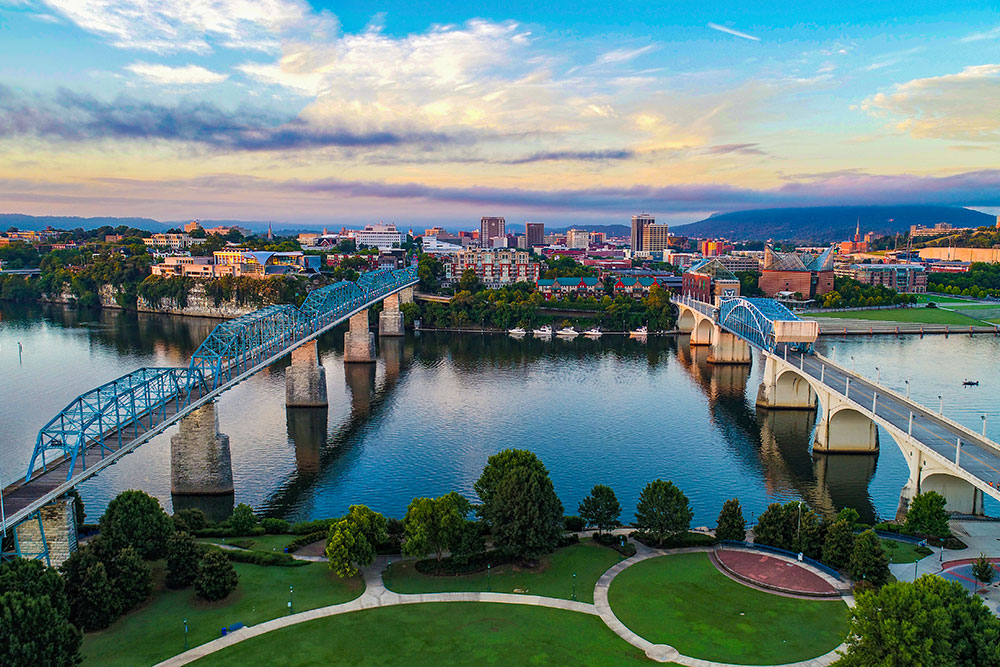
Chattanooga, an ecocity that incorporates 3 principles of sustainability
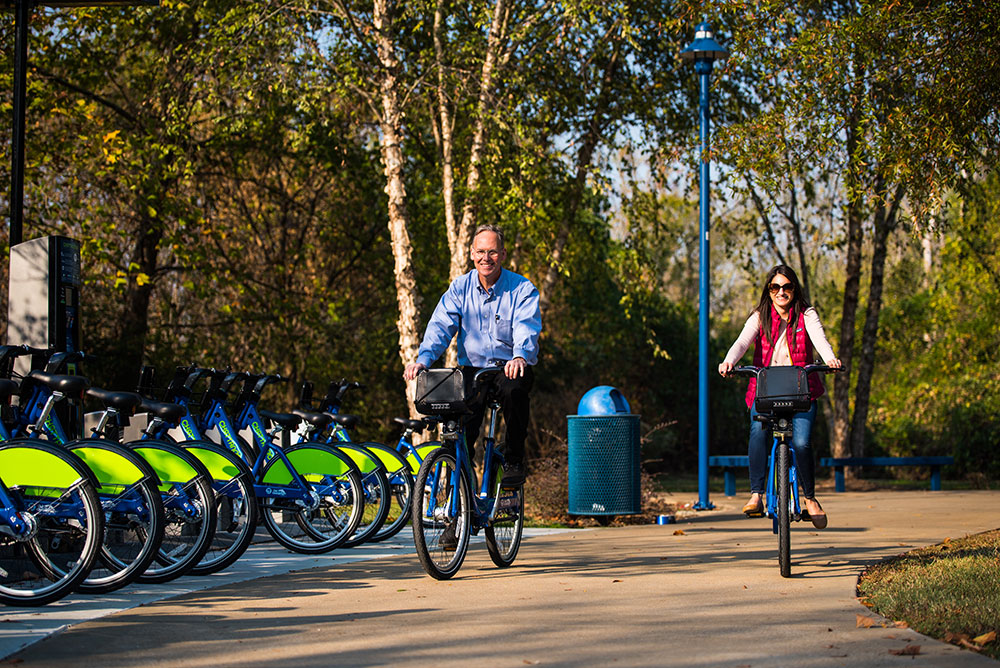
Bike lanes & rentals are more accessible

            To see how ecological footprint is measured, I took a quiz that measured a rough estimate of my ecological footprint. Unfortunately, my results were not as positive as I had thought it would be. According to the quiz, if everyone were to live like me, we as humans would need four planets. This was of course disheartening and eye opening because I always thought of myself as living a somewhat sustainable life. However, I did realize that many of the questions involved where I live, and I live with three other people. Therefore, the people I live with have more control over what forms of energy and modes of transportation my household uses. However, these results did allow me to reflect on the things I can easily alter in order to fulfill a more sustainable lifestyle. I realized that simple tasks such as reducing the amount of electricity and water I use can help the environment an enormous amount. Also, by reducing my usage of plastic or paper, I will minimize my waste and my ecological footprint overall. In addition, by switching to more efficient and environmentally friendly modes of transportation, such as mass public transportation, I continuously influencing my ecological footprint.

In order to implement new sustainable developments, people will have to pay a costly price, what are ways in which we can work around it? (Because we do live in a nation that is driven by factories, business, and industries & money).

Word count: 1215

Caruthers, Teree. “Why Chattanooga, TN Is One of the Best Places to Live.” Livability, 12 Nov. 2018, livability.com/tn/chattanooga/real-estate/why-chattanooga-tn-is-one-of-the-best-places-to-live.

“Chattanooga, TN | 2018 Best Places to Retire.” Livability, 13 Nov. 2018, livability.com/top-10/retirement/best-places-to-retire/2018/tn/chattanooga.

Miller, G. Tyler, and Scott Spoolman. Living in the Environment. Cengage Learning, 2015.
The Sustainability Revolution

Liz Galeano

                                                Sustainability Revolution

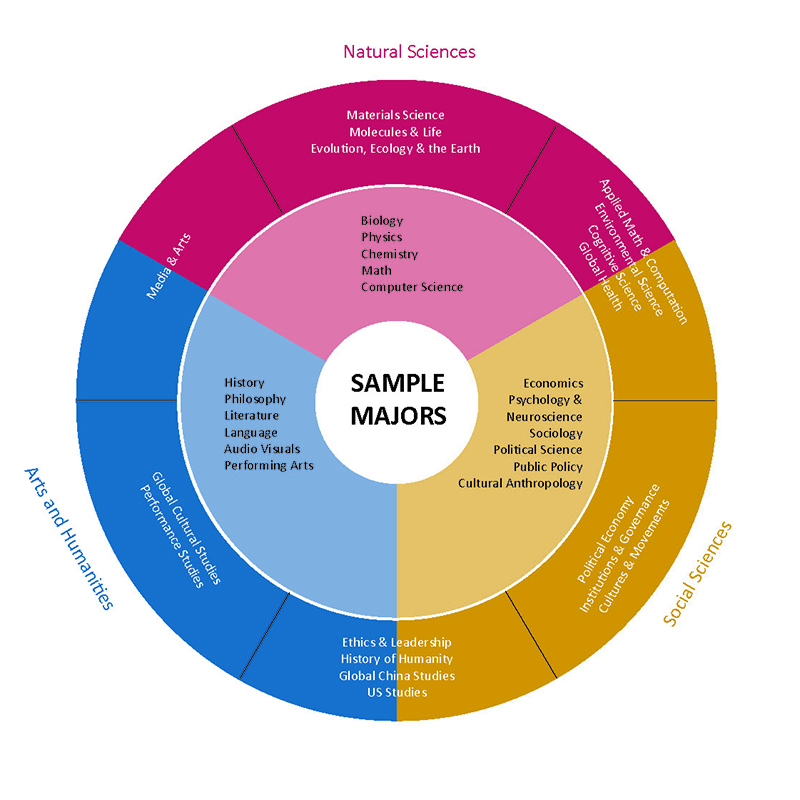
           Environmental studies is a broad subject that consists of a variety of perspectives or disciplines. You can say environmental studies is a highly interdisciplinary subject. It incorporates all forms of perspectives from different fields of work.  In other words, our environment can be analyzed and studied through different lenses and disciplines. These different categories focus on different aspects of our environment. For example, on one end, studying the environment from the perspective of someone in the applied arts & science field may focus more on the design and technological advancement of a society in relation to the environment in which they are in. Furthermore, this field primarily focuses on evaluating the structure of a community and determining and introducing new technologies or designs that resolve any concerns relating to the setup of an location/ environment.On the other hand, if you were to analyze the study of the environment through the lense of a humanities subject, one would most likely see environmental concerns and information relating to the values and perspectives of others in different societies and generations. Moreover, this may include the study of geographies, histories, and most importantly the thoughts, opinions, and perspectives of others in relation to the environment. Besides these two interdisciplinary structures that I mentioned above, there is also studies that focuses more on the scientific aspects of the environment. This is divided in two categories; social sciences and environmental science. What is the most important purpose of environmental studies as a whole is the understanding issues  and using that knowledge to initiate a positive impact on our environment now and in the future. All these subcategories are essential parts of creating a “sustainability revolution” in their own field for future generations. However, there is one that I believe makes the strongest impact on sustainability awareness and change. Not everyone will share a common interest in the study of our environment, but being exposed at an early age to the issues relating to the environment , one will most likely accommodate their lifestyle in a way that is beneficial to their environment and future generations. In my opinion, the humanities aspect of environmental studies is the most effective way of engaging people and spreading awareness relating to environmental issues

From personal experience, the way in which the importance of sustainability was introduced to me was through education. Education is an essential part of exposing factual information to people, especially younger generations. Through education, younger generations are granted the opportunity to learn about everything that concerns us as humans. In recent years, academic institutions have placed an importance on problems concerning our environment. Over the past few decades, issues relating to our environment and natural resources have become more evident. Personally being a person who shys away from the sciences, I have always been able to grapple and gravitate towards information that conveys overall change in values, and worldviews. Demonstrating how our environment has changed over time due to our negligence towards the environment is much more effective to convey and internalize. This form of communicating information is very effective for those newly introduced to the material and also younger people. 

Besides the humanities being more easy to introduce to most people than the sciences, it is important to know that sustainability is strongly related to habits and lifestyle. In order to encourage and develop a culture that values sustainability, people need to engage with environmental related information from a young age. It is obvious that the best way to introduce habits to people is by starting when they are young. By integrating environmental studies in schools curriculums, children will develop a sense of awareness at a very early age. This of course will influence their habits, and customs when it comes to their lifestyle.

I view the humanities field as a resource to gain and internalize information, whereas the sciences involve more technical information and direct actions. Within the humanities field, there are a variety of subjects relating to the environment such as environmental history, geography, literature, philosophy etc. All these subjects are excellent ways of communicating information effectively. For example, environmental history would most likely entail information relating to the origins of our environment. In other words, this specific field would most likely focus on the development of the environment over time. Not only the environment’s development over time, but the influence humans have on the change. The history of our environment should convey information that demonstrates the change in certain aspects of our environment such as the the overuse and decline of our natural resources. Environmental history is one aspect of the humanities that clearly portrays the impact humans have on the environment in a way that can easily be introduced to anyone; despite their interests. 

Like mentioned before, the humanities is primarily based on the values and worldviews of humans from different generations and communities. Relating to the encouragement of sustainable habits from a young age, it is essential to teach younger generations about values and morals. The values and impact of our values as humans is heavily analyzed and studied in the humanities field. Therefore, by introducing people to the importance of awareness in relation to the environment in which they live in, they will soon develop the understanding that sustainability is an essential practice that will help preserve the natural resources in the environment. Understanding environmental issues from the humanities lense allows people to quickly pick up on certain habits we humans have that have negatively affected the environment. This field, in my eyes, portrays a clear understanding of the environments development over the years, and the perspectives we humans have on it. 

In order to encourage some form of change, such as a sustainability revolution, people need to be aware. This awareness should be introduced as soon as possible in order for people to develop a certain habit and mentality that prioritizes the preservation of the environment. Exposure to the development of the environment of centuries and how how our interaction with the environment change will enable humans to internalize their any potential outcomes. In other words, analyzing the change our environment over time will allow humans to understand the impact humans negligence had on our environment.         By simply exposing people to our environment origins and its current status people will slowly integrate sustainability habits into their lifestyle. 

In brief, The most effective way of encouraging reform is through the use of education. Most people do attend academic institutions some point in their life, and it is through these institutions that we can expose people to the environmental issues we face and sustainability practices that can reduces the negative impacts of human’s actions.

Is integrating environmental education in today’s education system enough to influence a sustainability revolution?

Word count: 1136

Citations:

“Sample Majors: Interdisciplinary Studies and Disciplinary Studies.” Duke Kunshan University – Overview | Duke Kunshan University, dukekunshan.edu.cn/en/node/4525.

Miller, G. Tyler, and Scott Spoolman. Living in the Environment. Cengage Learning, 2015.