Understanding Environmental History & our role
There is an abundance of unique historical studies that focus on different aspects of life on earth. One of the most important studies that are often engrained within academic requirements in most educational institution is conventional history. Throughout most education systems across the United States, they prioritize subjects such as mathematics, science, and history. This specific subject of history, conventional history focuses on the development of humans and civilizations. The time frame for his specific study is 5000 BCE- present. Most historians who study the development of civilizations rely on physical objects such as documents and records in order to analyze and understand the social environment in historic civilizations. Due to these limited amount of resources, conventional history is most effectively taught and learned through books and texts. Like I mentioned before, this form of history is taught in most primary and secondary schools. Therefore, most conventional historic information can be found in textbooks, historical books, and old documents. Due to this early exposure of conventional history, most students such as myself become unaware that conventional history is simply a branch of history. Personally, being a visual and kinesthetic learner, I analyze and internalize information more effectively with interactive and visual modes of learning. Therefore, I was able to grasp and understand more information in Big History (An aspect of Environmental History). Big History also focuses on humans, but it primarily targets humans and how they fit and work within the universe as a whole. In other words, Big History analyzes humans and their interactions and impacts on the earth/ environment. The time frame for this specific study starts around the Big Bang until the present day. According to the Wikipedia sight that references “Big History”, Big History is considered a “macro history”. This simply means that Big History does not focus on specific subjects, but rather, it views history as a whole. It analyze humans and how they directly influence the universe. Macro history also seeks larger problems in the universe, and it studies long terms trends in history. What is interesting about Big History is, historic environmental information is primarily conveyed through visuals and interactive websites.
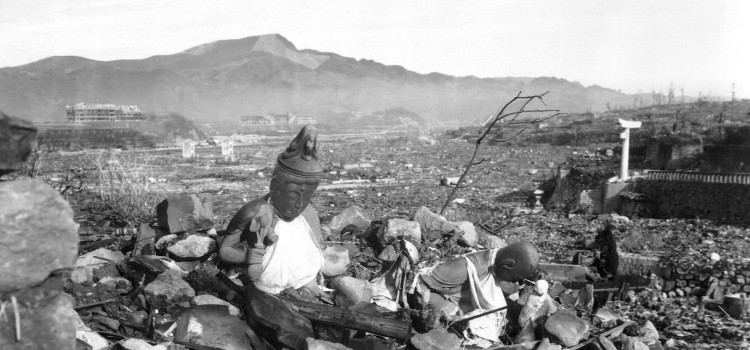
Personally, any academic sources of learning that use interactive modes of conveying information intrigue me. Therefore, after discovering this approach to history I was motivated to research more about Big History. I went on a few websites that provides Big History courses and lesson plans such as corrowsbighistory.files.wordpress.com, and the bighistoryproject.com. To begin, the second website was absolutely fascinating. The website itself was extremely bright, colorful, and intriguing. On the front page there are pictures portrayed wildlife, and the environment. I watched a quick video introducing the the courses, and from the previews I was able to be fully immersed in their video. They demonstrated the importance of studying time frames with a brightly colored timeline that provided viewers with visuals and brief facts. Also, the website focused on understanding human activity and their impact on the environment. For example, they demonstrated a variety of human activities that have affected humans themselves and other living beings in negative ways. In the video, there was references to the atomic bombings of Hiroshima and Nagasaki, and agriculture etc.
Another crucial aspect of environmental history is understanding how nature influences the transformations of a civilization and in return humans affect the development of nature. As time progresses and humans influence civilization and technological advances, our impact as humans on the environment steadily increases. For example, when humans began prioritizing industrialization, activities such as deforestation began to occur. Not only are humans impacting the biodiversity of the environment but they are also influencing the emission of excessive gasses into the air, thus influencing global warming. After the introduction of these industries, the increase in pollution begins to affect the environment and humans themselves. When humans begin to encounter the aftermath of their activities, they become aware of the negative impact their actions have. Through experiences like these, environmental literacy occurs, and conservative ideologies occur leading to environmentalism. By prioritizing environmentalism, some people begin to believe in the importance of identifying and acknowledging the environment with its beauty and resources, and understanding the overuse of these natural resources. Also, environmentalist also acknowledge the impact industries have on the environment, and how it is our responsibility to understand that industries are not priorities and they are causing more harm than good. Lastly, they believe that it is essential for humans to advocate for the protection of wildlife, and the natural resources of an environment. Along with advocating for the protection of the environment, we must acknowledge our impact and consider ways to improve our lifestyles. Moreover, this simply means learning how to contribute to the conservation of the environment, and practicing how to keep our environment clean and safe.
This exposure to environmental awareness slowly increased over time. In other words, because we learn through experience, it takes a bit of time to acknowledge our actions and how to prevent further damage. In class, during the student presentation, my classmate presented a wonderful example of the sudden environmental awareness. She mentioned the Great Smog of 1952. It was mentioned how the temperature and the smoke from the industries did not quite work well together, and instead of the smoke dissipating, it spread through the entire city. This air pollution impacted the overall health and well being of the citizens. This later impacted the way the citizens viewed the entire situation. It was almost like a wakeup call, and the citizens began advocating for the improvement of air pollution. Through this experience and, aftermath of self awareness, the Clean Air Act of 1956 was passed. Essentially, this encouraged the restriction on excessive smoke emission. This later influenced the reduction of air pollution, and the overall wellbeing of the people’s health and social environment.
Even through these devastating experiences such as the bombing of Hiroshima, and air pollution in urban settings, some very important political figures show a disinterest in environmental literacy. In other words, the success of industries and factories is far more important than the conservation of our environment. I believe as a society we have come far with acknowledging our detrimental effects towards the environment, but we still have room for improvement (in environmental literacy). We need to fully grasp this idea that our natural resources are not limitless, and we need to set boundaries for our well being, and the well being of the environment and future generations. Lastly, it is important to not just acknowledge our wrongs, but instead work towards reducing our impact. For example, the principles of sustainability are essential aspects of conservation that we need to abide by. This will reduce our ecological footprint, and it will preserve natural resources for future generations.
Why can Big History only be taught through websites and interactive learning? (why not books? Is it because it is more recent?)
Word Count: 1166
Miller, G. Tyler, and Scott Spoolman. Living in the Environment. Cengage Learning, 2015.
“Seventy Years Later, Atomic Bombs Still Influence Health Research.” Inside Science, 23 Aug. 2016, http://www.insidescience.org/news/seventy-years-later-atomic-bombs-still-influence-health-research.

 Liz's Blog