Being raised in the city, I was always sheltered off from the reality of environmental issues. In a city- like environment it is always much more difficult to express environmental concerns because most individuals lack information or are unable to recognize their impact on the earth. Therefore, as an environmental stakeholder I find it is my responsibility to spread awareness to individuals about environmental issues, especially those who are in my current environment. In other words, I find the need to express my concerns and awareness to those individuals who do not have much knowledge when it comes to environmental issues. I find it essential for me to express my concerns to family, friends, and peers who are not fully aware of what is occurring. Besides spreading awareness and information, it is my responsibility to introduce new sustainable methods of living to those who are in my environment as well. Also, as a stakeholder I need to also continue informing myself and changing my lifestyle in a way that encourages a more sustainable way of living. Lastly, I find it important for me to continue volunteering and encourage myself work hands on in my environment. By this I mean, I need to continue physically working in my environment in order to bring about some form of change. Knowledge is simply not enough, one needs to fully immerse themselves in an experience in order to truly learn and develop a habit, passion, and sense of awareness.
Author: lgaleano1
Practicum Essay
During Fordham’s earlier years, the school lacked sufficient funding due to it being recently opened. This lack of money of course affected the budget for a variety of things such as food. Providing all students with food was a bit complicated. However, to overcome this obstacle, the school decided it would just as efficient and less costly if they produce their food on the campus. Fordham was considered a working farm up until the beginning of the 20thcentury. Apparently a few crop that were produced ranged from potatoes, corn, apples, pears etc. Not only was there production of crop, but the campus also has livestock. Beef and pork were considered the same protein used to feed the staff and students. What is considered today, the college cemetery was then a vineyard used to produce wine for. Interestingly enough, the production of all these foods was in plain sight. Students who remained in Cunniffe House to study or dine were able to see the farming system on the campus.
As Fordham continued to grow and develop, many of these farming systems on campus were not longer needed. However, there has been attempts to hold on to Fordham’s history with farming. St. Rose’s Garden remains as an attempt to keep that part of Fordham’s environmental history with farming. This is an important part of my practicum, simply because the environmental club I was in aimed to find ways to convert Fordham’s campus into a more sustainable environment. Besides the maintenance of the garden, my practicum work involved group meetings (Students for Environmental Awareness and Justice club) that discussed the importance of spreading awareness to students on campus about environmental issues. Besides discussing environmental issues on campus, we discussed solutions to these problems. This may include small acts such as introducing more recycling bins, or more sustainable methods of food containers.
As previously stated, I am currently a member of the Students for Environmental Awareness and Justice club (seaj club). I attended the club meetings were every Thursday for about an hour. At these meetings, we primarily focused spreading awareness to our peers on campus. In other words, by planning and hosting events, the club aimed to spread environmental awareness. Transforming Fordham into a more sustainable campus is very important, but it first starts with the students. Informing the students was essential in order for students to understand the importance of sustainability before we attempted to change the campus as a whole. Besides hosting events for students to learn more about the club and our goals, we discussed new methods of sustainability that can be incorporated into places such as the dining hall or academic buildings. For example, many buildings and classrooms lacked recycling bins. In addition, many dining halls lacked containers that minimized their plastic waste.
Besides being a member of the Students for Environmental Awareness and Justice club, I volunteered at NYC Parks. I participated every other Saturday for about three hours. These volunteering experiences were more hands on. Most of the events I attended encouraged us to learn how to take care of the trees in our neighborhoods. For example, we were taught how to remove the litter or waste by the trees in order to avoid further soil contamination. Afterwards we would make sure the soil was fertile, and then we added mulch which helps retain moisture for the growing tree. This allowed volunteers to learn the importance of street tree care. Besides street tree care, tther events were based on the importance of identifying invasive species in locations such as trees. With this particular event I was guided through a discussion that informs volunteers about invasive species, and how to safely remove them without causing harm to the other plants.
Being new to Environmental Studies, I was able to learn really grasp and understand the material being presented in class. Through course discussions, and textbook material, I was able to truly understand the detrimental effects human activities have on the environment. Through lessons and class discussions, my interest in Environmental Studies expanded. Being an individual who was raised in the city, I was never exposed to the detrimental impact humans have on the environment. With the Courses text, I was able to discover the true impact humans have on the environment. As my interest grew, I began to develop an interest in sustainability while encouraging myself to life a lifestyle that will not have such a negative impact on the environment. With the use of the textbook, I was able to acknowledge and study my ecological footprint while also attempting to reduce my footprint. The text required for class always suggested interesting and simple ways of getting involved in with the environment.
One lesson I remember vividly was the discussion based on the production of meat. After watching the documentary assigned for that class, I completely changed my diet. I completely removed all forms of meat from my diet. By watching this film, I was able to acknowledge the reality of the meat production in this nation. As my interest grew, I began doing my own personal research on documentaries. Due to this class I found it essential to learn more about the horrendous impact humans have on the environment along with how we treat other living things.
By joining the Students for Environmental Awareness and Justice club, I was able to learn about a variety of different things that I can incorporate into my everyday life. In other words, by attending this club I was able to change little everyday actions that can minimize my ecological footprint. For example, I have become more conscious of the amount of plastic I use and waste; therefore, I have become more cautious when I purchase food, drink, or groceries. I make sure to significantly minimize my use of plastic. After our lesson based on water waste, I felt responsible to share this information with the people I live with. I ensured that using the water hose should be used with caution and a limit. Lastly, through the volunteering opportunities with NYC Parks, I was able to realize the importance these small acts have on the well being of the environment. I began to use what I learned with NYC Parks, and I applied these lesson into m everyday life. Seeing as I live in a suburban like area, I became conscious of the amount of trees in my environment. Therefore, I applied what I learned about street tree care, and I became involved with nurturing the trees in my everyday environment. Also, I became more involved in assisting my father with gardening. This of course directly affects the biodiversity in my environment. As the class progressed, I realized my position as a steward of the environment. I found it my responsibility to perform any small act that can make a huge difference in the environment. Not just performing, but I have valued the importance of spreading environmental issues to those who are around me.
Word count: 1167
Air pollution, Climate change, ozone depletion
As most of the natural resources we use as humans, our atmosphere contains layers that influence life on earth. Most of these layers such as the stratosphere and troposphere play a large role in the existence of organisms. They influence a variety of natural cycles because of the amount of gases we need to survive as humans. Not only do the atmospheric layers influence what we breathe in but it also protects us from the strong ultraviolet rays that the sun emits. It is important to be understand what our atmospheric layers do in order for us to develop a sense of awareness of what our natural environment does for us. Personally I believe apathy is influenced by this lack of environmental knowledge and awareness. Certain events such as global warming that has been influenced by humans have affected these atmospheric layers. In other words, due to global warming, the ozone layer that protects us from the sun is slowly diminishing. As this layer continues to vanish the climate on earth begins to rise and issues related to this overwhelming heat begins to occur. Not only does this warming affect humans, but all life on earth. Also, in class there was a discussion about the earth’s natural cyclical evolution. As the earth endures this warming, it will eventually rise again to fulfill this idea of another ice age. It was estimated that by 2100, the temperature on earth will be roughly eleven degrees Fahrenheit.
It is essential to understand the difference between natural pollution versus human source pollution. Natural pollution simply refers to pollutant particles in the air that are caused by natural occurrences such as a volcano eruption. Most importantly, human source pollution includes events such as climate change, and greenhouse emissions. The reason I say human source pollution is important is because humans are the primary influencers of the increasing depletion of natural resources. The average day of most humans involved direct involvement that affects the natural environment. For example, driving cars, overuse of plastic, not properly disposing material such as batteries or recycled materials. Our everyday habits take a toll on the well being of our natural environment. As individuals continue to live like this, our influence on climate change becomes much more prevalent. Unfortunately, our actions impact all species/ organisms, not just humans.
An interesting video demonstrated by a class presenter presented an issue I never placed much thought on. When people think of pollution they typically just think about the pollution outdoors, however indoor pollution is just as prevalent as this issue. It is hard to notice or recognize but our impact on the cleanliness of our environment is severe. Indoor pollution is our constant environment. Most recent generations are often viewed as the “indoor generation” seeing as we spend most of our time indoors. One may believe that the air indoors is cleaner than the polluted air outdoors. However, this is a misconception because our indoor pollution is just as detrimental as the outdoors. Indoors air cause and lead to breathing issues, visual issues from artificial light, dust etc.
The textbook claimed that the pollution on one part of the world can easily be spread to other areas or countries. Through the use of satellites, there has been images that detect pollution on earth on a large scale. Previous detections demonstrated a brown cloud of pollution in the most industrialized parts of asia such as china and india. Those who live in the area are able to detect pollution because the sky in these areas appear gray and dark. Similarly, China faces this pollution issue as well. As individuals we have influenced this connection of all countries.
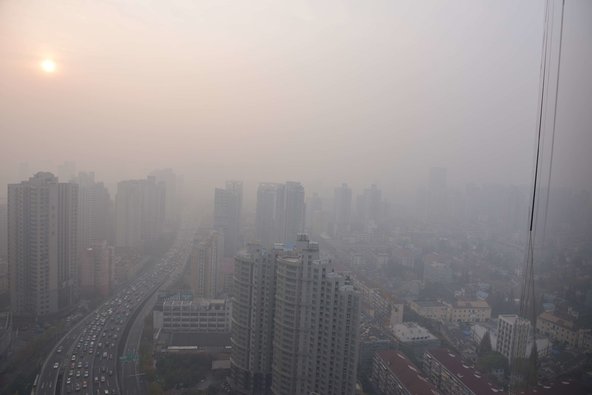
Another very interesting point Miller made is that pollution connects all continents and countries. In other words, as nations may think they are only affecting their environment, they are truly interfering with the environment of nations close to them. In the case of China and India, their polluted air directly affects other nations in near proximity such as California.
Due to human activity and some natural events, it has been proven that the warming of the earth is steadily increasing. With this crisis occurring there is the potential of the sea to rise, droughts, flooding etc. However, it is never too late to change aspects of our daily life. For example, through methods of energy efficiency, that is an immense chance of saving the earth and humans from a potential negative impact. For example, the text discusses the situation in Greenland and how ten percent of the earths freshwater comes from Greenland. Therefore, with this constant development of serious climate change, there is a chance that most of the ice in Greenland will melt. This warming of Greenland can can lead to the sea rising roughly seven meters. Besides the development of climate change, there is another issue we must focus on: ozone depletion. In order to reduce our impact on both climate change and the ozone depletion, we must accept the fact that we as a nation are placing too much pressure on natural resources. By influencing the depletion these resources humans are directly contributing to the emission of greenhouse gases.
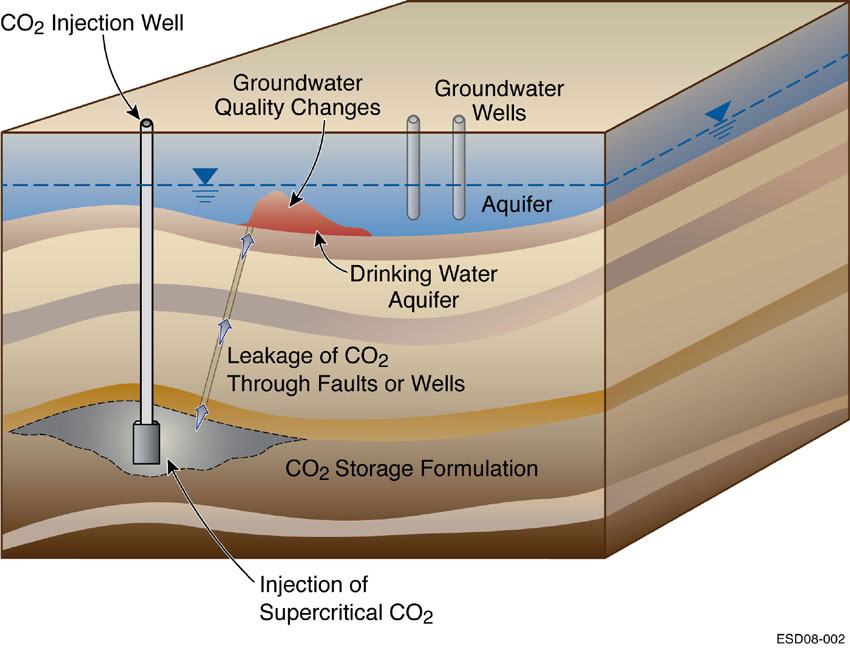
During one of my club meetings (seaj), a peer of mine presented a new piece of technology that is capable of minimizing our carbon impact. By minimizing, I simply been reducing the carbon that is already in the atmosphere. This technology is commonly known as Geologic Sequestration in Deep Saline Aquifers. This newly introduced form of technology aims to capture Carbon from the atmosphere and insert it in large tank deposits under water. After the carbon is captured and placed in these deposits, it comes in contact with salt water from the ocean and it transforms the carbon into precipitates. Once the carbon is transformed into large chunks, then it is impossible to return back to the atmosphere. However, one of the downsides to this is that it can potentially increase the acidity in the ocean. Therefore, while attempting to minimize the impact of greenhouse gases in the atmosphere, this form of technology strongly impacts the increase in ocean acidification. However, I view this technological advancement as a potential benefit. In other words, we as humans are finally placing some consideration in the technologies that are developed. This sequestration of carbon is a head start in a direction that considers the wellbeing of earth, but most importantly attempting to prioritize minimize the damage we have caused.
However, what brings me a sense of hope is that it is apparently not too late to prevent further damage. In other words, if the government became more involved and laws were enacted to interfere with this detrimental process, then this process of creating a cleaner environment can easily be achieved. For example, policies such as the clean air act, and the standards of six pollutants have attempted to help the situation we placed ourselves in. Furthermore, I believe there should also be more regulation on businesses along with subsidies that motivates these businesses to produce in a much more sustainable way.
Business or industries always find ways to work around standards and policies proposed by the government… Is there anyway, besides using subsidies, that can prevent or minimize this form of favoritism?
Word count: 1229
Miller, G. Tyler, and Scott Spoolman. Living in the Environment. Cengage Learning, 2015.
Ramzy, Austin. “Air Pollution Shrouds Eastern China.” The New York Times, The New York Times, 5 Dec. 2013, sinosphere.blogs.nytimes.com/2013/12/05/air-pollution-shrouds-eastern-china/.
“CO2 Leakage on Groundwater Quality.” Earth and Environmental Sciences Area, eesa.lbl.gov/projects/potential-impacts-of-co2-leakage-on-groundwater-quality/.
Renewable or nonrenewable?
Chapter fifteen primarily focused on the overuse of nonrenewable energy. The economy is highly dependent on the success of our natural resources. By natural resources I mean natural resources that help produce electricity and energy. Humans have become so dependent on this natural resources to the point where it is projected for humans to deplete these natural resources. These natural resources are considered nonrenewable because it take billions and billions of years for it to renew itself. Therefore, these resources will not renew itself within the life span of humans. This overuse of resources is influencing the depletion of these resources. As stated by Miller, roughly forty percent of the energy we us is wasted. As in, if we humans were able to use energy more moderately than he would have more natural resources that can sustain human life for longer. The textbook mentioned net energy yield to demonstrate how much humans are producing versus the price it cost to produce. For example some forms of energy require a high input but it turns out to release low output. A few of the most commonly known and used nonrenewable resources includes: oil, natural gas, coal, and nuclear energy. Many countries, U.S. included, primarily use oil, natural gas, and coal. Any form of sustainable energy such as hydropower, or wind energy makes up for less than ten percent of the energy used In the U.S.
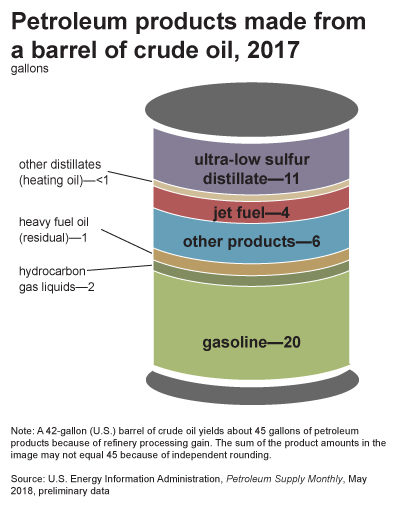
One commonly known and used oil in the United States is petroleum and crude oil. This is also known as conventional oil. Conventional oil can be found in massive amounts, therefore, it is much easier to rely on this high output oil. Besides there being an abundance of this oil that produces high output energy, it is also very affordable. Although this option may seem like a good choice due to its affordability and efficiency, it is actually playing a large role in releasing greenhouse gases into the environment. Not only does it influence global warming but it is also increasing the amount of pollution in the environment. The textbook states that the world’s has three top countries that use this resource the most. Of course, the United States is the top consumer, followed by China and Japan. Like I stated before, almost fifty percent of this resource is wasted. If the use of this resource at this rate continues to grow, this resource will be completely depleted by 2050. Fortunately enough, there are unproven oil reserves that are used to store recoverable oil. Next, another often used resource is heavy oil and tar sand. Miller claims that this resource is one of the least efficient and it plays a large role in the environmental issues that are currently growing. As for the advantages of using this kind of oil, there is a massive supply of it, and it can easily be transported from one place to another place. However, the disadvantages, in my opinion, are much greater than the advantages. For example, the use of this oil produces a low net energy yield, and it has a massive influence on pollution. Also, do to our high usage of oil, the introduction of fracking has led to further depletion of our natural resources. Through fracking, which provides humans with oil, there has been many negative consequences on the environment around us. Fracking influences the emission of methane, and it has also led to tragic events such as fires or explosion. These events clearly affect more than just the natural resources, it is affecting greenhouse emissions, pollution, and affected biodiversity.
During our class discussions, a fellow classmate of mine presented on the William Pipeline. To start off, the construction of this pipeline cost about one billion dollars. This price, of course, does not include the hidden costs. In other words, with the negative impact this pipeline would have on the environment, one billion is not nearly enough to to cover up the cost of this massive environment depletion. In other words, this pipeline easily risks the health of humans along with the health of marine life. Also, if this pipeline were to leak, the gas that would be released into the environment can and will be highly toxic. It has also been proven to have a poor safety record.
There is a variety of different ways to conserve energy and reduce the unnecessary waste of most of the energy we use. One very interesting method presented by the textbook that is not spoken about very often is this idea of cogeneration (CHP). This simply refers to a combined heat and power system that allows industries to conserve energy. This form of energy system ensures that forms of energy are produced through the same source. From what I gathered, this system uses what would have been wasted energy, for a another outlet. In other words, when energy is being used, and the remaining it that is not longer needed can be used for another system that requires an energy source. According to Miller, through the implementation of this system, roughly fifty percent fifty percent of it is energy efficient. Also, not only does it conserve a large portion of energy but it also the minimizes the emission of carbon unlike traditional forms of producing energy with coal fired burners. Unfortunately, the United States gets a small portion of energy from CHP’s (8%).
What is highly important to keep in mind is understanding how much energy we truly use and acknowledging the remaining wasted energy. By spreading this sense of awareness, individuals would understand the importance of energy efficiency. This simply means that individuals actually measure that amount of energy needed from each energy unit. Afterwards, the energy saved will minimize the use of producing more energy which can be a costly process. A few commonly used forms of technology in the United States includes: incandescent light bulbs, coal powered fire plant. There is a variety of other technologies that are not environmentally friendly, but these two forms of technology are the ones most commonly used. The coal power plants, it has been estimated that roughly over half of the energy is wasted. As for the incandescent light bulb, less than ten percent if actually used.
After doing some personal research, I came across this newly developed technology that aims to use wasted material. In other words, this technological advancement converts wasted energy into some new form of energy such as electricity. One of the most used forms of waste-to-energy conversion methods is thermal conversion. With the use of temperature, pressure, and time, scientists have been able to successfully convert waste residue in an efficient way. This form of energy conversion can be used for materials that are considered hydrocarbons or organic waste. These materials are used to convert material in a alternative fuels.
According to the text, it would take roughly 50 years for humans to adjust a new energy system, would it take fifty years to officially be on the right track, or would it take 50 years to eliminate all sources of energy that are wasteful?
Word Count: 1190
Miller, G. Tyler, and Scott Spoolman. Living in the Environment. Cengage Learning, 2015.
Oil: Crude and Petroleum Products – Energy Explained, Your Guide To Understanding Energy – Energy Information Administration, http://www.eia.gov/energyexplained/index.php?page=oil_home.
The world is running out of water
The readings for today primarily focused on the importance of water as a natural resource. However, the first chapter assigned emphasized the misuse of water all around the world. In other words, because water (rivers, oceans etc.) is a free access natural resource, humans tend to overuse, and misuse this natural resource. In today’s society, the amount of freshwater is slowly diminishing do to a variety of human activity, such as the influence humans have on climate change, and the continuously growing population. Similarly to the previous chapters, it is mentioned how human activities are influencing the overall health and well being of the environment and its natural resources. Due to this recognition of water loss, humans have tried to use other resources of water to sustain the health of the increasing population.
One of the solutions proposed to this ongoing struggle with water loss, is this groundwater resource. This term simply refers to the storage of water underground. In most cases using this resource has helped many communities, however, there are many disadvantages associated with groundwater. Furthermore, because humans have not fully distinguished the pros and cons of this resource, humans are unable to understand if using this resource is helpful or not. There are a few dangers associated with obtaining more groundwater. For example, this resource is nonrenewable, therefore, it can take decades or centuries to renew itself. Also, as I mentioned before, due to our lack of knowledge, humans are unaware of the ecological/ geological impact of this resource. Lastly, the costs of this resource is unknown therefore, people may/ will take advantage of this resource. Also, Miller also suggests the different ways in which humans can ensure the protection of this resource (or management of the resource). A very important suggestion that I believe will help with the groundwater depletion, is the subsidies the government can impose. Currently many farmers and people who produce crops receive some form of payment to ensure the production of goods. However, as Miller stated, these subsidies should be used to encourage individuals to conserve our natural resources. Subsidies should be guaranteed to individuals if they are able to comply with sustainable methods of producing crops (people should get paid to conserve water and energy). Another very important point that Miller made was this idea of increasing the price of water. Like I mentioned before, people remain unaware of their contribution to this water loss, therefore, it should be the responsibility or the government and organizations to increase the price of water. This will restrict the overuse of water and it will increase the environmental awareness of individuals. In the text, Miller mentions the water meter used in Brazil. A water meter simply charges people for any amount of water they wish to use. This of course forces individuals to use this resource within their means. This idea fascinated me because I realized that people become significantly more aware of the resources provided by nature; It provokes a sense of understanding the value of water. It is important for people to understand that water is not a never ending resource. What disappoints me is that other less developed countries are establishing new systems that encourage this act of sustainability ( three principles of sustainability), but more developed countries such as the U.S. prioritizes industries and this increases their ecological footprint.
Miller mentions a very important quote by Sandra Postel that accurately describes what is causing so much water waste. Postel mentions this idea of heavily subsidizing water, and how this leads individuals to believe a false message that water is abundant. However, Postel states the reality of the overuse of water; Rivers are drying up, aquifers are being depleted and many different species are going extinct. I agree with Postel, and I believe most of humanity needs a wake up call, so they can realize that their actions are leading to the depletion of resources and thus directly affecting their overall health and existence. (not just the environment being affected).
This chapter provides readers with information based on methods that can potentially prevent further water depletion. For example, a commonly used method is the introduction of dams to major bodies of water. As mentioned in earlier chapters dams play a large role in controlling and regulating a river’s flow. In other words, dams are very helpful when it comes down to controlling floods. Besides controlling floods, dams can also generate electricity. This of course fulfills 2 out of 3 principles of sustainability. Lastly, dams also assists farmers with irrigation systems that contribute to the proper growth of crops and plants. However, just as much as dams are helpful with proper water use , there is also an abundance of negative impacts that dams have in our environment. These negative impacts includes the disruption of biodiversity, displacement of homes for people, and they can often cause drought in certain areas. In addition, the toxic dust, and salt that remains in the area contaminates the water, causing health problems such as respiratory disease, kidney disease, eye problems etc. Another solution proposed by Miller is this concept of desalination. This simply refers to the conversion of salt water to fresh water. There is a variety of ways to convert our water to freshwater, however, this process is very costly, and the pumping of chemicals severely affects the marine life in that specific area. Also, by converting so much water to freshwater, there is an increase of salt in that location, and this is of course detrimental to the land, and nearby oceans (too much salt is bad for humans and other organisms.
This idea of desalination and climate change are often paired in the text. They are both caused by humans, and the occurrence of the two processes significantly affects that specific environment. Like I mentioned before, desalination leaves behind a significant amount of salt. Over time, and this salt spreads to other locations, it can/ will pollute other bodies of water. Also, this type of pollution kills wildlife, and crops and vegetation. In addition to this hazardous processes. There is another process that increases the impact/ damage on the environment: climate change. Climate change affects most rivers by influencing the evaporation of the water. Also, since climate change influences the melting of glaciers, any potential sources of water is diminishing too quickly. Over time, these two processes starts to work together to deplete more natural resources. As stated by Miller, “the combo of climate change and severe salination has reduces crop yields from 20-50% & a third of the areas crop land (Miller 333).” This simply means, that these two human made problems are working hand in hand to deplete a majority of our natural resources and habitats.
Before & after human activities (Aral Sea)
The picture above depicts the before and after effects of mismanaging bodies of water. In this case, the Aral Sea was a source of water for people in the area. This body of watr was used for irrigations systems used to grow products such as cotton. Also the Aral Sea is known as a saline river that contains an immense amount of salt. Therefore as this water was continuously used and converted to fresh water, the remaining bit of water contained more salt than any other body of water. Also, like I mentioned before climate change and desalination work hand in hand. Therefore, any remaining bit of water had evaporated due to the warming of the earth. After all this overuse of this body of water, the Aral sea had split into to bodies of water, and later on the other half had completely evaporated/ vanished.
On a positive note, if humans are able to positively integrate practices that save water, then the human species is also reducing their energy use, air / water pollution, and greenhouse gas emissions. This brings me a sense of hope and motivation. After reading this chapter, my sense of awareness increased, and I became more conscious of my actions that relates to the overuse of water. For example, I have tried to minimize by use of water by limiting my use of laundry machines, toilet flushes, and hose (gardening with a hose).
One very important process that is also contributing to the scare amount of water is pollution. Pollution is primarily caused by humans, and this issue is continuously growing. What is very concerning is this lack of awareness within our communities. Not only is pollution hurting our health and overall well- being, but we are greedily damaging and destroying the life of certain species, and their natural habitats. During the class presentation based on pollution, a fellow peer discussed the Olympics that took place in Rio de Janeiro, Brazil. There was a controversy related to the overall cleanliness of the river and the people partaking in water related activities. Also, as stated by my peer, the increase of biodegradable waste actually causes the elimination of many different organisms (dissolved oxygenàextinction of organisms).
Although humans need desalination and technologies are improvingàis it not still a form of waste?
Word count: 1536
Miller, G. Tyler, and Scott Spoolman. Living in the Environment. Cengage Learning, 2015.
Hurting the environment and ourselves
The two chapters that were assigned primarily focused on the hazards and waste humans themselves are partaking it. In other worlds, most apathetic people are completely unaware that their everyday activities are directly affecting their health along with the environments help. I realized that damage done against our environment quickly makes its way back to us; In a way this process can resemble karma. Through this reading, I realized the importance of chemicals and their impact on earth and all living organisms. The first chapter primarily focused on chemicals that are most evident in our environment, afterwards, the chapter shifted its focus to the diseases and illnesses people develop.
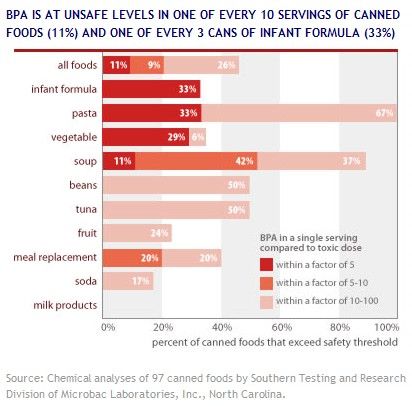
A few of the most popular chemicals that were constantly referenced in the text is BPA, PCD, dioxins and mercury. BPA is commonly found in most everyday plastics. For example, many of the drinking plastic bottles we use today contains a large portion of BPA. So most of the water we humans use is most likely contaminated with such chemicals. However, the amount of BPA that can be released, largely depends on the temperature; warm/ hot environments would increase the releasing of BPA. Next, PCD is a highly toxic substance. It is primarily used for electrical equipment, and it is considered a carcinogen due to its influence on the formation of cancer. During one of the class presentation, a peer demonstrated the impact of a substance called Agent Orange. This dioxin was originally used by American military members, and they would use the chemical in Vietnam. Although this substance has been introduced decades ago, it continues to affect humans and living organisms who live in the area. For example, after this chemical was exposed to the Vietnamese environment and used for the defoliation of forests, it took the country to find a method to resolve this defoliation. Reforestation would take centuries for the natural resources to recuperate. In addition, this chemical managed to implement itself in the surrounding environment. Dioxins later began to expand its presence in the food chain, thus affecting living organisms and humans. Lastly, dioxins has also very dangerous side affects that help develop severe illnesses such as cancer. As for mercury, this chemical can be found in many places such as in the artificial sweetener’s we use today. Humans can come in contact with this substance in three different ways, consuming high fructose syrup, and certain contaminated fish, and by inhaling the chemical in our environment.
Hazards are commonly categorized depending on the environment. For example, hazards can be categorized as: biological, chemical, natural, cultural, and lifestyle hazards. Biological hazards refers to pathogens. Pathogens are viruses that commonly infect people. Chemical hazards refers to the dangerous chemicals in our environment that contaminates the air, water, soil, food, and most importantly, products made humans. Humans are more commonly prone to this infectious bacteria. Next, natural hazards simply refers to natural disasters that humans have no control over. Examples of natural hazards includes earthquakes, tornadoes etc. Cultural hazards involves mostly humans activities that hurt us. Examples may include assaults, poverty and unsafe working conditions. Lastly, lifestyle hazards refers to activities such as unprotected sex, and abusing certain substances.
The people who are more prone to developing a disease, from any of the listed hazards, most likely come from impoverished communities. As stated before, in many of the lessons, those who live in poverty are most likely to be negatively impacted by certain environmental issues. So the list of hazards stated above is more prominent in less developed countries. Even if the virus or disease is non transmissible, these communities will still face health threats due to their social and natural environment. Also, the reason these viruses are difficult to treat or prevent is because their resistance to antibiotics has steadily increased. Also, DDT (pesticide) that was constantly used for agriculture (and is currently banned in the United States) is no longer effective when it comes to eliminating and managing the presence of mosquitos and other pests. Mosquitos specifically, have become very immune to the chemicals; therefore, using pesticides is no longer a solution due to this newly developed immunity. Lastly, due to the overuse of pesticides, the population of mosquitos is increasing steadily.
The textbooks mentioned a type of disease that has become evident in certain countries in Africa and Europe. The severity of Tuberculosis, over past few decades has increased significantly. However, it is mainly located in very specific countries or locations. What makes this disease so difficult to cure or treat is the medical cost and time it would take to treat it. What personally upsets me is that locations in Africa, Asia, and Europe who experiencing this pandemic have no resources to help them. In other words, this disease is treatable, but in impoverished communities, this access to a better health care is limited. Tuberculosis can easily be treated if it is recognized early enough. However, these impoverished communities do not have the access to this checkup, and if someone is granted the opportunity then they must wait longer than one normally waits in a developing country. Furthermore, if someone is diagnosed with this illness then they are encouraged to isolate themselves from different the rest of the community. Personally, this seems a bit ridiculous because this virus can easily spread through travelling and imported goods from other locations. We cannot also forget the unreliability of these medical treatments because some tools and technologies may not be up to date. Once again, we see this issue of poverty and the negative environmental consequences caused by humans.
Poverty plays such a large role in understanding a communities’ health conditions and its impact of individual people. According to Miller, a bit over a third of the world has access to sanitary bathrooms. Due to the lack of sanitary bathrooms, it is obvious this lack of sanitation can also be applied to drinking water, washing clothes etc. The water that is provided to these people usually contains animal and human excretion. It is obvious that a quick solution to this problem would be to provide these communities with better bathroom facilities along with sanitary water for everyday personal use. Although this may be a bit costly, it is the responsibility of developed nations to contribute to these disadvantages.
Miller also makes an interesting clarification on the topic of certain diseases such as HIV and AIDS. Before reading this chapter, I thought that AIDS/ the virus itself is what kills humans. However, the reality is that the disease itself is not deadly. The disease itself does not kill humans, but it does weaken an individuals metabolism. By affecting a person’s metabolism, the disease itself weaken them to the point where the metabolism is too weak to protect the body from other diseases. So the death of an individual with AIDS is primarily the result of the weakened metabolism. AIDS can be transmitted through blood to blood contact (with an infected person) and unprotected sex. AIDS and HIV is a perfect example of a cultural hazard.
During one of the class presentation, my peer mentioned a few suggestions that can be used to reduce and prevent chemical substance and its impact. I am mentioning this suggestion because I thought they are brilliant ideas that is not over the top/ or difficult to do. On the contrary, its suggestions that individuals can advocate for. First off, it is evident that one of our major issues is poverty. It would be a brilliant idea to encourage the establishment of malnutrition programs in foreign countries. A program like this can eliminate the hunting of animals which can help a variety of different issues (lessens the carbon admission into the environment). Another very obvious suggestion that should be established is the treatment of water. Everyone needs to have access to a clean water supply. Like I mentioned before, it is the responsibility of the wealthier nations to contribute to the establishment of this necessary water treatment. Lastly, by reducing the use of cigarettes, there should be campaigns advocating for the minimization of cigarette usage; This habit supports the emission of chemicals into the atmosphere.
Due to the reliance of these chemicals and its production of certain goods, it will be quite difficult to easily remove them from our everyday lives. However, there is a variety of ways us humans can minimize the emission of these hazardous chemicals.
What are different ways/ alternatives to avoid bpa when it comes to purchasing products or goods?
Word count : 1430
Miller, G. Tyler, and Scott Spoolman. Living in the Environment. Cengage Learning, 2015.
Alter, Lloyd. “BPA Danger May Be Greater from Tin Cans than Water Bottles.” TreeHugger, Treehugger, 11 Oct. 2018, http://www.treehugger.com/corporate-responsibility/bpa-danger-may-be-greater-from-tin-cans-than-water-bottles.html.
ISSAfrica.org. “Unlocking Africa’s Potential: The Relationship between Effective Governance and Poverty.” ISS Africa, 15 Nov. 2016, issafrica.org/research/papers/unlocking-africas-potential-the-relationship-between-effective-governance-and-poverty.
Symphony of Soil
During last week’s lecture, the lesson was focused on the importance of our soil’s well being. In other words, the class discussion along with the film shown in class, soil plays a large role in the everyday functions of most living beings. First off, soil is used for a variety of different reasons. Soil is used to protect plants from from harmful bacteria, contains gases needed by plants to flourish, allows the production of many plants and food resources for many different organisms. Next, soil is made from granulated soil, corpse of living things, minerals, water, and gases. Therefore, most living things require these resources or systems in order to live and survive. As described in class, there is a variety of different kinds of soil depending on the environment and geographic locations. For example, soil that is located a tropical environment would be referred to as oxisol, and clay soil would be referred to as vertisol. Of course, soil adapts to the environment in which they live in therefore, the soil you would find on a tropical island will be significantly different than the soil in the New England.
Soil is absolutely essential especially when it comes to the recycling of many gases and nutrients (abiotic & biotic). Typically, when people hear the term soil, they simple think of the soil we walk on most of the time. However, interestingly enough, according to the film, the soil we are stepping on can actually go thirty to forty inches deep. Therefore, there is most to the soil we directly come in contact with on most days. Also, the film expressed a very clever metaphor that allowed me to better understand the importance or role of soil. They referred to the soil as having a similar environment to Times Square. Furthermore, Times Square is typically viewed as an overpopulated location. Besides being so overpopulated, there is constant movement, and this resembles the everyday lives of most of the living things that depend on the soil. Being a native New Yorker, this example really depicted an image in my head that truly clarified and emphasized the sole of soil.
Although I did point out the massive amount of soil that is located beneath the top soil, there is still this problem with soil erosion. For example, due to the high demand of produce in most countries the demand for production growth is expected. However, this high demand is not equivalent to the amount our natural resources can provide. Therefore, activities such as plowing, the soil becomes overexposed and this in turn leads to further problems such as soil erosion. Another commonly used method to crop with is inorganic fertilizer. The problem with this solution is that its impact is very short term, and it ends up being less efficient and more costly. Last, but not least, in order to sustain this natural resource and increase produce, farmers tend to use an excessive amount of water. According to the film, seventy percent of the earth’s water is being used to provide for agriculture. This point also works with the use of fertilizers. Organic fertilizers tend to demand more resources such as water, and in reality, this is just a temporary fix to boost the growth of these plants during that specific time. Also, besides the overuse of water, this excess water will find its way to major water ways, and this increases the amount of nitrogen in the water. On the other hand, there is still many other sustainable alternatives. For example, if individuals put effort into composting, not only are they boosting a long term impact on produces, but they will also being reducing their use of water and it will be economically more affordable in the long run. Compost tends to retain water more effectively than organic fertilizers would ever. In my opinion, its truly all about environmental literacy. I believe most farmers are not aware of the other alternatives, nor are they informed about the impact of their costly activities with soil.
The soil contains a large variety of living organisms who rely on the soil for a variety of things such as shelter and food. First off, certain species such worms create burrows that helps the roots adjust, and adapt to their environment. Most importantly, worms are able to move efficiently within the soil and this enables them to transport food to other living organisms. Secondly, the most important living organisms that rely on the soil are different types of bacteria. These living organisms transform nitrogen in the atmosphere into a form that is very useful to other organisms.
I personally believe that there are certain things that can be integrated in the education system of America. First off, as mentioned before the importance of environmental literacy. From personal experience, this topic of soil has really has really transformed the way I perceive our natural environment. In other words, after learning that massive importance soil has on the environment, I became more aware and cautious of how I perceive my environment. However, I think it is essential for schools to incorporate environmental literacy into the school curriculum. Besides environmental literacy, individuals can begin to compost. These two examples can truly go hand in hand in order to demonstrate the importance of literacy would prevent the large number of people from causing further negative impacts, while the other is a direct action example (composting).
The film also mentioned how the soil is the foundation of all living things. However, soil tends to have a negative stigma attached to it. In this case, he mentions the usual perspective on soil. Soil is constantly viewed as something dirty or unsanitary. On the other hand, we need soil in other to encourage the growth of food & chemical recycling. Today’s generation is more so closed off from the environment in which they live in. Therefore, these kids simply do not know what they are to imagine especially with the negative stigma attached to it. I believe it is essential for younger individuals to understand the fundamental aspect of their life.
Being raised in New York City, I was never exposed to the earth’s natural environment. In addition, no one really cares for the natural environment in New York City. I live in a neighborhood in Queens, were most of the population is of color. Therefore, seeing as most of the residents come from other countries, they are less aware of the consequences our activities influences. Not only are most adults in my neighborhood unaware, but their apathy is very evident. Same goes for the children I was constantly surrounded by. Everyone had no real sense of the basic sustainable practices like recycling, ans minimizing waste. I had no resources or a decent background of major environmental issues. Therefore, I believe it is essential that academic institutions incorporate some form of environmental literacy
Lastly, the film mentioned a surprising statistic that encouraged me to reflect on the purpose of soil. As humans we need soil in order to produce food for us and other organisms. Food production is one of the many things that soil provides us with. However, our overuse of this soil is affecting humans in the long run. Like I mentioned before, soil erosion is influenced by humans and this will negatively affect us in the long run. I say this because in ,Symphony of Soil, it was mentioned that in order for earth to reproduce at least an inch of top soil, it will take about five hundred years. Also, since a large amount of soil is constantly being transported from one place to another, diseases are often transported with them. Therefore, besides preventing more soil erosion, it is essential for humans to also protect plants from newly transported soil. From personal experience I have a friend who travelled to Australia to hike. After the hike was over, and she had to return to the city, the boots/ shoes these people were wearing had to be inspected and sanitized. This prevents the exposure of the natural environment (& people) to new diseases.
What are ways to spread awareness of this environmental crisis to adults living in a neighborhood such as my own that don’t have easy access to an education (due to family or economic reasons) ?
Word Count: 1397
Why we need to protect & regulate our public waters and agriculture
Similarly to chapters nine and ten who primarily focused on sustaining the biodiversity of species and terrestrial lands, chapter eleven focused on the biodiversity of aquatic ecosystems. The chapter thoroughly discusses the leading factor that is influencing the destruction of this ecosystem. Of course, the answer to this ongoing concern of aquatic degradation is the human population. As years progress, and the human population continue to grow and advance in technology, their demands for certain resources increase. However, this demand is causing the depletion of our natural resources to occur far too quickly than the earth can endure. In order to fully understand our impact, we can refer back to the acronyms HIPPCO.
To start off, humans play a large role in the habitat loss of infinite amount of species. A great example that perfectly demonstrates our impact is the decline in the biodiversity of coral reefs. Coral reefs contain one of the most diverse species population. Many nations, and communities heavily rely on fishing for monetary reasons that influence the success of their economies, however, as our demands increase, the methods of acquiring these fish species becomes less ethical and more detrimental. One of the most negatively impacting method of fishing that the chapter references is trawler fishing. This form of fishing is used to obtain species such as shrimp, cod, scallops etc who live in coral reefs. it is used to capture fishes living near the ocean floor. This method is essentially a capturing tool that resembles the actions of a bulldozer. It scrapes the ocean floor, and in the process, it demolishes any existing habitat in the way. As Miller states, coral reefs are one of the largest habitats affected by human activity. Surprisingly enough, these methods of fishing as mentioned above are not the only factors influencing the degradation of this habitat. Humans have also influenced the destruction of coral reefs with activities that increase the impact on pollution, ocean acidity, and climate change. Climate change affects the temperature of the ocean, causing trouble for the species living in the area. As for the acidity of the ocean, most human activities influence the emission of carbon dioxide in the water, which severely damages the health of these coral reefs. The reading claims that if humans don’t set boundaries to the carbon dioxide emission of their activities, all coral reefs will vanish in about eight decades.
As I mentioned before, the destruction of aquatic ecosystems refers back to HIPPCO and the daily activities of humans. Another factor that strongly affects the well being of aquatic life is the invasive species humans introduce to these environments. Invasive species contribute to the loss of many other species and their population tends to boom when they start taking over an ecosystems environment.
The governments have made several attempts to protect certain aquatic biodiversity, but there is a few issues we face that limits our knowledge of the damage we are causing. First off, there is a high demand for many aquatic species, and we are unable to properly measure our fishprint. Also, what I find most important is that the ocean is an open access resource, therefore, humans think it contains an infinite amount of resources to sustain their life. In other words, because of these reasons it has been difficult for the government to properly regulate the use of the aquatic biodiversity.What I realized from reading this chapter on aquatic biodiversity is that the government/ people only intervene in the destruction of these natural habitats/ biodiversity when species are on the verge of extinction. It astonishes me how the only motive for humans to protect these species and habitats is for personal reason and greed. Anyways, as humans encounter this loss of species and resources that influence their economies, they become more concern with the salvation of the aquatic ecosystem (or any ecosystem). Also, because most of the living species on earth have not been properly identified, humans are not even fully aware of the other species that are demolishing. For all we know, the species we have not yet recognized can be strongly influencing our everyday activities. Also, marine reserves that have been established by the government is not enough to effectively protect most aquatic biodiversity. According to Millers, less than one percent of the ocean is protected, therefore, the number of species unprotected is unimaginable.
On the contrary, many moratoriums imposed by the government have protected a few endangered species. The texts refers to two very important species that wee on the verge of extinction, but through monetary incentives, and the monetary value of tourism companies, many cities have made an effort to protect certain species such as the blue whale and the leatherback turtle.
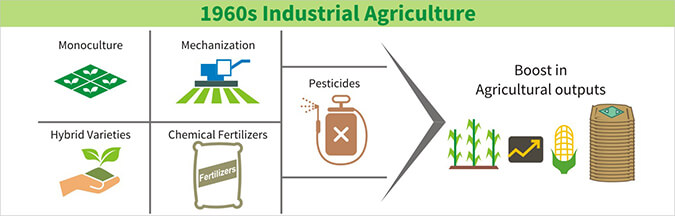
In the following chapter, chapter twelve, Miller focuses on pest management and good production. These two topics correlate because the agricultural system often used in the United States is very detrimental the environment. An important aspect of agriculture in the country is our attempt to manage the pests in these food production environments. The most commonly know method of food production in most developed countries is industrialized agriculture. This form of production aims to feed a large population of people. However, this type of agriculture has a variety of negative consequences on our environment. For example, industrialized agriculture causes soil erosion because the soil is overused and overly saturated from the farming equipment/ products. Also, because this large mass of food production requires so much water, a lot water is being wasted, and this at times causes floods. Lastly, because of this abundance of water, many of the nutrients used to farm such as nitrate and phosphorus are carried away and they seep into major waterways leading to an excessive amount of nitrate in our water. Lastly, industrialized agriculture uses a large amount of pesticides in order to control the pests damaging the crops. This overuse of the chemical negatively affects the environment in several different ways. A commonly used pesticide that has been categorized as one of the more toxic ones is called DDT. Sure this chemical eliminates the pests to a certain extent, but at the same time, it is killing the other species in that environment. The difference between industrialized agriculture and sustenance agriculture is that second form of farming is most popular in less developed countries. Also, this form of food production is primarily used by families, and it is mainly used to provide food for the family of the producers.
An interesting approach to improve our systems of farming was presented in class by a fellow classmate. He introduced and spoke about vertical farming which aims to produce food in a much more sustainable manner. This form of agriculture is a form of food production aimed to work in urban cities. Vertical farming minimizes normal costs of food production and the transportation of food. It also focuses on using more sustainable forms of energy from the sun (solar energy). Most importantly this method of improving our food production minimizes its use of pesticides which decreases the degradation of certain species in the area along with natural resources such as water. In my opinion, vertical farming seemed to be an interesting approach to efficiently production a large amount of goods because it allows farmers to crop produce all year long.
The texts mentions moratorium, but it discusses how it is more so based on compliance and voluntary contribution.
-What are ways to encourage the compliance of these laws for nations who refuse to abide by it?
-Why are these laws to temporary? (Natural habitats cannot be restored as quickly as these laws are in effect)
Word Count: 1298
Miller, G. Tyler, and Scott Spoolman. Living in the Environment. Cengage Learning, 2015.
“ENewsletter | Sustainable Agriculture.” HiMedia, http://www.himedialabs.com/HML/Pages/enews5/Sustainable-Agriculture/.
Lack of consideration
The two chapters assigned for this week mainly concentrated on understanding the importance of preserving the ecosystems biodiversity. In these two chapters, they primarily focused on biodiversity and its direct link to specific species, and terrestrial biodiversity. To begin, the first chapter emphasized one problem we have as a society: we prioritize just animals. However, it is important to note that the conservation of both plants and animals is essential in order to sustain an ecosystems biodiversity. According to the readings, plants provide both humans and animals with ecological services that allow them to survive. For example, plants contribute to most productions of different forms of medicine. Also, plants assist in producing oxygen, influencing respiration for most organisms. Next, plants also play a role in absorbing carbon dioxide during the process of photosynthesis. Last, but not least, plants are also used as a source of nutrition and food for many different organisms. As noted in class, this idea of simply acknowledging animals, and ignoring the importance of plants is an ideal representation of an anthropocentric perspective. This simply refers to a worldview in which humans prioritize themselves, while idolizing animals simply for aesthetic reasons (cute animals).
The chapter also thoroughly discusses the importance of certain processes that occur, usually because of humans themselves. One of these detrimental processes is extinction: when a certain species no longer exists. The earth itself, has encountered about six different mass extinction within the course of its existence. Most of these extinctions mainly occurred before the existence of humans. However, this does not mean humans play no role in the extinction of certain species. Most species extinctions occur due to personal human/ monetary interests. For example, the texts mentioned the extinction of the passenger pigeon. This bird species primarily resided in North America, however, it was considered to have strong migratory habits that encouraged them to constantly travel to the south. The Passenger pigeon was said to travel and live in large groups. They travelled in such great numbers, that when they migrated, it took a few days for them to fully cross a certain location. These pigeons were viewed as a great resource that would contribute to the nations economy, therefore they were often hunted and killed as a source of food, and for their feathers (clothing). Within a few decades, the Passenger Pigeon became extinct. Although extinctions occur naturally, humans tend to drastically speed up this process. What is even more concerning is that in order for earth to recuperate from the drastic loss of species, it would take millions of years for the introduction of new organisms. Lastly, as demonstrated in the class film, if humans continue to live in such an unsustainable manner that continues to exploit earth’s natural resources, half or more of earth’s identified species will be extinct.
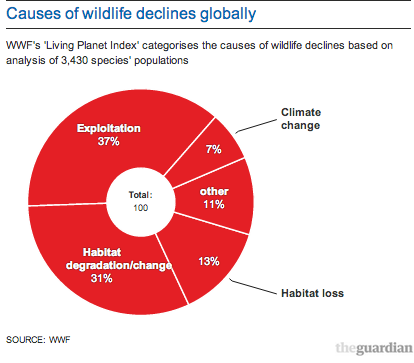
Interestingly enough, most of the species residing on earth have not yet been identified by scientist. In other words, Miller states that only five to ten percent of the species on earth have been identified. Therefore, if our actions continue to affect identified species, there is no doubt that these unidentified species are also being endangered or extinct. It is important to acknowledge this loss that has been influenced by our actions because these organisms play a large role in the natural services that enable us to live.
Humans influence the survival of these organisms in several ways. As mentioned in the textbook, the acronym HIPPCO refers to the different factors that threaten biodiversity. The greatest influencers of biodiversity degradation/ harm is habitat loss, invasive species, population growth, pollution, climate change, and overfishing. Overall, humans strongly contribute to these factors that influence the loss and degradation of biodiversity.
A part of the text that really resonated with me was a quote expressed by Aldo Leopold:
The last word in ignorance is the person who says of an animal or plant: “What good is it?”… If the land mechanism as a whole is good, then every part of it is good, whether we understand it or not. Harmony with land is like harmony with a friend; you cannot cherish his right hand and chop off his left.
Leopold’s perspective really emphasizes this idea that the earth function as one whole unit instead of individual units. In other words, all living things depend on each other to efficiently function. All organisms are interdependent, and it is pointless prioritizing one species over another. All living things have their own function, and in some way, they contribute to the well being of the ecosystem. We must treat our land the way we would treat another human individual. An example of a commonly neglected species that are highly important in our ecosystem are bees. Bees are essential in order to encourage the process of pollination and production of certain goods. Therefore, the way we rely on bees for certain natural services, is the same way we rely on so many other organisms, and it is important to acknowledge this fact.
As the chapters progressed, Miller soon introduced the importance of protecting the biodiversity of terrestrial lands. Surprisingly enough, the only land preserved as public land accounts for only five percent of the earths land. Whereas land reserved for strictly humans is ninety five percent (Miller). This statistical analysis of how much land is preserved for wildlife is quite sad. In order for humans to live a life of leisure, pleasure, and comfort, they need to rely on their natural environment. Therefore, reserving such a large quantity of land for just humans is just encouraging the exploitation of more natural resources and services. Furthermore, this small percentage preserved for other non human organisms
What still surprises me is the amount of land that remains reserved for just humans. According to Miller, nearly all of the land on earth is strictly reserved for humans. Even with most of earth’s land being reserved to just humans, our detrimental impact on the environment is slowly spreading to other places, such as the land reserved to just humans. If such an immense amount of land is reserved to just humans, we should acknowledge the damage we are doing on the environment and ourselves. Personally, I believe there are so many ways to contribute to the well being of the environment. For example, as a person who lives in NYC, I constantly volunteer with NYC Parks. Through these volunteering experiences, I am able to acknowledge and internalize some basic knowledge that allows me to contribute to my environment. My point is, with such a large portion of land dedicated to just humans, it is our responsibility to maintain any form of biodiversity in our environment. For example, we can sustain terrestrial biodiversity by aiming to protect threatened areas or species. This can be as simple as acknowledging our actions, and reducing our impact on our environment. Also, we can protect remaining undisturbed areas, restoring damaged ecosystems, and sharing with other species much of the land we dominate (being considerate).
If humans are slowly affecting the extinction of certain species, will our detrimental acitivities be the main cause of human extinction? (global warming).
Word Count: 1200
Miller, G. Tyler, and Scott Spoolman. Living in the Environment. Cengage Learning, 2015.
Carrington, Damian. “Earth Has Lost Half of Its Wildlife in the Past 40 Years, Says WWF.” The Guardian, Guardian News and Media, 30 Sept. 2014, http://www.theguardian.com/environment/2014/sep/29/earth-lost-50-wildlife-in-40-years-wwf.
Preliminary Practicum Essay
For my environmental practicum, I joined the Students for Environmental Awareness and Justice club that met once a week for about an hour. Being a commuter with a part- time job, it was quite difficult to attend all meetings. However, being a New York City resident, I am constantly surrounded by NYC Parks that often host environmental volunteering events. With NYC Parks, I have had the opportunity to participate in events such as the Edenwald Green Neighborhood – Forest Restoration and Astoria – Street Tree Care. Through these volunteering opportunities, such as the Forest Restoration event, we were exposed to different kinds of invasive plants. This particular event took place in Seton Falls Park in the Bronx. Afterwards, we were taught how to easily identify them, and safely remove them from the environment. Through class discussions, we learned the detrimental effects invasive species have on the environment, and in this particular case, I was able to practice this form of direct action. Besides the forest restoration event, I also attended the Astoria- Street Tree Care, which aimed to teach the volunteers how to identify certain trees in NYC and how they are vital aspects of the NYC environment. Also, during the volunteering event, I was granted the opportunity to garden/ plant trees in the surrounding area of Astoria, Queens. These volunteering events usually started early in the mornings and ended by noon. The events roughly took two to three hours on Saturday’s.
Also, because I do live off of Campus in Queens, I have chosen more sustainable methods of transportation through mass public transportation. Lastly, with the help of many of the class readings and documentaries, I have altered some habits that lean towards more sustainable methods of living. For example, I eliminated meat and most dairy products from my diet, and I have resorted to homemade food in order to reduce my food packaging waste.
 Liz's Blog