Chapter fifteen primarily focused on the overuse of nonrenewable energy. The economy is highly dependent on the success of our natural resources. By natural resources I mean natural resources that help produce electricity and energy. Humans have become so dependent on this natural resources to the point where it is projected for humans to deplete these natural resources. These natural resources are considered nonrenewable because it take billions and billions of years for it to renew itself. Therefore, these resources will not renew itself within the life span of humans. This overuse of resources is influencing the depletion of these resources. As stated by Miller, roughly forty percent of the energy we us is wasted. As in, if we humans were able to use energy more moderately than he would have more natural resources that can sustain human life for longer. The textbook mentioned net energy yield to demonstrate how much humans are producing versus the price it cost to produce. For example some forms of energy require a high input but it turns out to release low output. A few of the most commonly known and used nonrenewable resources includes: oil, natural gas, coal, and nuclear energy. Many countries, U.S. included, primarily use oil, natural gas, and coal. Any form of sustainable energy such as hydropower, or wind energy makes up for less than ten percent of the energy used In the U.S.
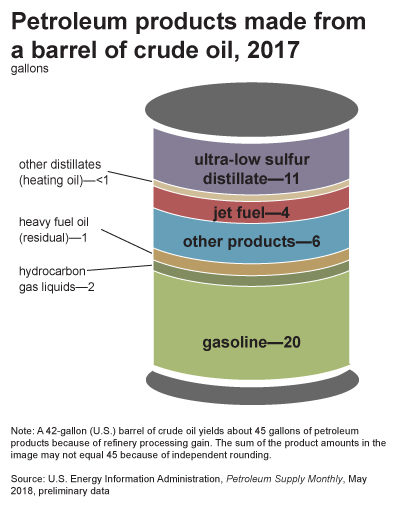
One commonly known and used oil in the United States is petroleum and crude oil. This is also known as conventional oil. Conventional oil can be found in massive amounts, therefore, it is much easier to rely on this high output oil. Besides there being an abundance of this oil that produces high output energy, it is also very affordable. Although this option may seem like a good choice due to its affordability and efficiency, it is actually playing a large role in releasing greenhouse gases into the environment. Not only does it influence global warming but it is also increasing the amount of pollution in the environment. The textbook states that the world’s has three top countries that use this resource the most. Of course, the United States is the top consumer, followed by China and Japan. Like I stated before, almost fifty percent of this resource is wasted. If the use of this resource at this rate continues to grow, this resource will be completely depleted by 2050. Fortunately enough, there are unproven oil reserves that are used to store recoverable oil. Next, another often used resource is heavy oil and tar sand. Miller claims that this resource is one of the least efficient and it plays a large role in the environmental issues that are currently growing. As for the advantages of using this kind of oil, there is a massive supply of it, and it can easily be transported from one place to another place. However, the disadvantages, in my opinion, are much greater than the advantages. For example, the use of this oil produces a low net energy yield, and it has a massive influence on pollution. Also, do to our high usage of oil, the introduction of fracking has led to further depletion of our natural resources. Through fracking, which provides humans with oil, there has been many negative consequences on the environment around us. Fracking influences the emission of methane, and it has also led to tragic events such as fires or explosion. These events clearly affect more than just the natural resources, it is affecting greenhouse emissions, pollution, and affected biodiversity.
During our class discussions, a fellow classmate of mine presented on the William Pipeline. To start off, the construction of this pipeline cost about one billion dollars. This price, of course, does not include the hidden costs. In other words, with the negative impact this pipeline would have on the environment, one billion is not nearly enough to to cover up the cost of this massive environment depletion. In other words, this pipeline easily risks the health of humans along with the health of marine life. Also, if this pipeline were to leak, the gas that would be released into the environment can and will be highly toxic. It has also been proven to have a poor safety record.
There is a variety of different ways to conserve energy and reduce the unnecessary waste of most of the energy we use. One very interesting method presented by the textbook that is not spoken about very often is this idea of cogeneration (CHP). This simply refers to a combined heat and power system that allows industries to conserve energy. This form of energy system ensures that forms of energy are produced through the same source. From what I gathered, this system uses what would have been wasted energy, for a another outlet. In other words, when energy is being used, and the remaining it that is not longer needed can be used for another system that requires an energy source. According to Miller, through the implementation of this system, roughly fifty percent fifty percent of it is energy efficient. Also, not only does it conserve a large portion of energy but it also the minimizes the emission of carbon unlike traditional forms of producing energy with coal fired burners. Unfortunately, the United States gets a small portion of energy from CHP’s (8%).
What is highly important to keep in mind is understanding how much energy we truly use and acknowledging the remaining wasted energy. By spreading this sense of awareness, individuals would understand the importance of energy efficiency. This simply means that individuals actually measure that amount of energy needed from each energy unit. Afterwards, the energy saved will minimize the use of producing more energy which can be a costly process. A few commonly used forms of technology in the United States includes: incandescent light bulbs, coal powered fire plant. There is a variety of other technologies that are not environmentally friendly, but these two forms of technology are the ones most commonly used. The coal power plants, it has been estimated that roughly over half of the energy is wasted. As for the incandescent light bulb, less than ten percent if actually used.
After doing some personal research, I came across this newly developed technology that aims to use wasted material. In other words, this technological advancement converts wasted energy into some new form of energy such as electricity. One of the most used forms of waste-to-energy conversion methods is thermal conversion. With the use of temperature, pressure, and time, scientists have been able to successfully convert waste residue in an efficient way. This form of energy conversion can be used for materials that are considered hydrocarbons or organic waste. These materials are used to convert material in a alternative fuels.
According to the text, it would take roughly 50 years for humans to adjust a new energy system, would it take fifty years to officially be on the right track, or would it take 50 years to eliminate all sources of energy that are wasteful?
Word Count: 1190
Miller, G. Tyler, and Scott Spoolman. Living in the Environment. Cengage Learning, 2015.
Oil: Crude and Petroleum Products – Energy Explained, Your Guide To Understanding Energy – Energy Information Administration, http://www.eia.gov/energyexplained/index.php?page=oil_home.

 Liz's Blog