The two chapters that were assigned primarily focused on the hazards and waste humans themselves are partaking it. In other worlds, most apathetic people are completely unaware that their everyday activities are directly affecting their health along with the environments help. I realized that damage done against our environment quickly makes its way back to us; In a way this process can resemble karma. Through this reading, I realized the importance of chemicals and their impact on earth and all living organisms. The first chapter primarily focused on chemicals that are most evident in our environment, afterwards, the chapter shifted its focus to the diseases and illnesses people develop.
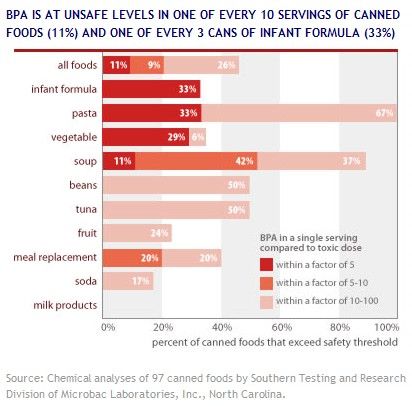
A few of the most popular chemicals that were constantly referenced in the text is BPA, PCD, dioxins and mercury. BPA is commonly found in most everyday plastics. For example, many of the drinking plastic bottles we use today contains a large portion of BPA. So most of the water we humans use is most likely contaminated with such chemicals. However, the amount of BPA that can be released, largely depends on the temperature; warm/ hot environments would increase the releasing of BPA. Next, PCD is a highly toxic substance. It is primarily used for electrical equipment, and it is considered a carcinogen due to its influence on the formation of cancer. During one of the class presentation, a peer demonstrated the impact of a substance called Agent Orange. This dioxin was originally used by American military members, and they would use the chemical in Vietnam. Although this substance has been introduced decades ago, it continues to affect humans and living organisms who live in the area. For example, after this chemical was exposed to the Vietnamese environment and used for the defoliation of forests, it took the country to find a method to resolve this defoliation. Reforestation would take centuries for the natural resources to recuperate. In addition, this chemical managed to implement itself in the surrounding environment. Dioxins later began to expand its presence in the food chain, thus affecting living organisms and humans. Lastly, dioxins has also very dangerous side affects that help develop severe illnesses such as cancer. As for mercury, this chemical can be found in many places such as in the artificial sweetener’s we use today. Humans can come in contact with this substance in three different ways, consuming high fructose syrup, and certain contaminated fish, and by inhaling the chemical in our environment.
Hazards are commonly categorized depending on the environment. For example, hazards can be categorized as: biological, chemical, natural, cultural, and lifestyle hazards. Biological hazards refers to pathogens. Pathogens are viruses that commonly infect people. Chemical hazards refers to the dangerous chemicals in our environment that contaminates the air, water, soil, food, and most importantly, products made humans. Humans are more commonly prone to this infectious bacteria. Next, natural hazards simply refers to natural disasters that humans have no control over. Examples of natural hazards includes earthquakes, tornadoes etc. Cultural hazards involves mostly humans activities that hurt us. Examples may include assaults, poverty and unsafe working conditions. Lastly, lifestyle hazards refers to activities such as unprotected sex, and abusing certain substances.
The people who are more prone to developing a disease, from any of the listed hazards, most likely come from impoverished communities. As stated before, in many of the lessons, those who live in poverty are most likely to be negatively impacted by certain environmental issues. So the list of hazards stated above is more prominent in less developed countries. Even if the virus or disease is non transmissible, these communities will still face health threats due to their social and natural environment. Also, the reason these viruses are difficult to treat or prevent is because their resistance to antibiotics has steadily increased. Also, DDT (pesticide) that was constantly used for agriculture (and is currently banned in the United States) is no longer effective when it comes to eliminating and managing the presence of mosquitos and other pests. Mosquitos specifically, have become very immune to the chemicals; therefore, using pesticides is no longer a solution due to this newly developed immunity. Lastly, due to the overuse of pesticides, the population of mosquitos is increasing steadily.
The textbooks mentioned a type of disease that has become evident in certain countries in Africa and Europe. The severity of Tuberculosis, over past few decades has increased significantly. However, it is mainly located in very specific countries or locations. What makes this disease so difficult to cure or treat is the medical cost and time it would take to treat it. What personally upsets me is that locations in Africa, Asia, and Europe who experiencing this pandemic have no resources to help them. In other words, this disease is treatable, but in impoverished communities, this access to a better health care is limited. Tuberculosis can easily be treated if it is recognized early enough. However, these impoverished communities do not have the access to this checkup, and if someone is granted the opportunity then they must wait longer than one normally waits in a developing country. Furthermore, if someone is diagnosed with this illness then they are encouraged to isolate themselves from different the rest of the community. Personally, this seems a bit ridiculous because this virus can easily spread through travelling and imported goods from other locations. We cannot also forget the unreliability of these medical treatments because some tools and technologies may not be up to date. Once again, we see this issue of poverty and the negative environmental consequences caused by humans.
Poverty plays such a large role in understanding a communities’ health conditions and its impact of individual people. According to Miller, a bit over a third of the world has access to sanitary bathrooms. Due to the lack of sanitary bathrooms, it is obvious this lack of sanitation can also be applied to drinking water, washing clothes etc. The water that is provided to these people usually contains animal and human excretion. It is obvious that a quick solution to this problem would be to provide these communities with better bathroom facilities along with sanitary water for everyday personal use. Although this may be a bit costly, it is the responsibility of developed nations to contribute to these disadvantages.
Miller also makes an interesting clarification on the topic of certain diseases such as HIV and AIDS. Before reading this chapter, I thought that AIDS/ the virus itself is what kills humans. However, the reality is that the disease itself is not deadly. The disease itself does not kill humans, but it does weaken an individuals metabolism. By affecting a person’s metabolism, the disease itself weaken them to the point where the metabolism is too weak to protect the body from other diseases. So the death of an individual with AIDS is primarily the result of the weakened metabolism. AIDS can be transmitted through blood to blood contact (with an infected person) and unprotected sex. AIDS and HIV is a perfect example of a cultural hazard.
During one of the class presentation, my peer mentioned a few suggestions that can be used to reduce and prevent chemical substance and its impact. I am mentioning this suggestion because I thought they are brilliant ideas that is not over the top/ or difficult to do. On the contrary, its suggestions that individuals can advocate for. First off, it is evident that one of our major issues is poverty. It would be a brilliant idea to encourage the establishment of malnutrition programs in foreign countries. A program like this can eliminate the hunting of animals which can help a variety of different issues (lessens the carbon admission into the environment). Another very obvious suggestion that should be established is the treatment of water. Everyone needs to have access to a clean water supply. Like I mentioned before, it is the responsibility of the wealthier nations to contribute to the establishment of this necessary water treatment. Lastly, by reducing the use of cigarettes, there should be campaigns advocating for the minimization of cigarette usage; This habit supports the emission of chemicals into the atmosphere.
Due to the reliance of these chemicals and its production of certain goods, it will be quite difficult to easily remove them from our everyday lives. However, there is a variety of ways us humans can minimize the emission of these hazardous chemicals.
What are different ways/ alternatives to avoid bpa when it comes to purchasing products or goods?
Word count : 1430
Miller, G. Tyler, and Scott Spoolman. Living in the Environment. Cengage Learning, 2015.
Alter, Lloyd. “BPA Danger May Be Greater from Tin Cans than Water Bottles.” TreeHugger, Treehugger, 11 Oct. 2018, http://www.treehugger.com/corporate-responsibility/bpa-danger-may-be-greater-from-tin-cans-than-water-bottles.html.
ISSAfrica.org. “Unlocking Africa’s Potential: The Relationship between Effective Governance and Poverty.” ISS Africa, 15 Nov. 2016, issafrica.org/research/papers/unlocking-africas-potential-the-relationship-between-effective-governance-and-poverty.

 Liz's Blog