As most of the natural resources we use as humans, our atmosphere contains layers that influence life on earth. Most of these layers such as the stratosphere and troposphere play a large role in the existence of organisms. They influence a variety of natural cycles because of the amount of gases we need to survive as humans. Not only do the atmospheric layers influence what we breathe in but it also protects us from the strong ultraviolet rays that the sun emits. It is important to be understand what our atmospheric layers do in order for us to develop a sense of awareness of what our natural environment does for us. Personally I believe apathy is influenced by this lack of environmental knowledge and awareness. Certain events such as global warming that has been influenced by humans have affected these atmospheric layers. In other words, due to global warming, the ozone layer that protects us from the sun is slowly diminishing. As this layer continues to vanish the climate on earth begins to rise and issues related to this overwhelming heat begins to occur. Not only does this warming affect humans, but all life on earth. Also, in class there was a discussion about the earth’s natural cyclical evolution. As the earth endures this warming, it will eventually rise again to fulfill this idea of another ice age. It was estimated that by 2100, the temperature on earth will be roughly eleven degrees Fahrenheit.
It is essential to understand the difference between natural pollution versus human source pollution. Natural pollution simply refers to pollutant particles in the air that are caused by natural occurrences such as a volcano eruption. Most importantly, human source pollution includes events such as climate change, and greenhouse emissions. The reason I say human source pollution is important is because humans are the primary influencers of the increasing depletion of natural resources. The average day of most humans involved direct involvement that affects the natural environment. For example, driving cars, overuse of plastic, not properly disposing material such as batteries or recycled materials. Our everyday habits take a toll on the well being of our natural environment. As individuals continue to live like this, our influence on climate change becomes much more prevalent. Unfortunately, our actions impact all species/ organisms, not just humans.
An interesting video demonstrated by a class presenter presented an issue I never placed much thought on. When people think of pollution they typically just think about the pollution outdoors, however indoor pollution is just as prevalent as this issue. It is hard to notice or recognize but our impact on the cleanliness of our environment is severe. Indoor pollution is our constant environment. Most recent generations are often viewed as the “indoor generation” seeing as we spend most of our time indoors. One may believe that the air indoors is cleaner than the polluted air outdoors. However, this is a misconception because our indoor pollution is just as detrimental as the outdoors. Indoors air cause and lead to breathing issues, visual issues from artificial light, dust etc.
The textbook claimed that the pollution on one part of the world can easily be spread to other areas or countries. Through the use of satellites, there has been images that detect pollution on earth on a large scale. Previous detections demonstrated a brown cloud of pollution in the most industrialized parts of asia such as china and india. Those who live in the area are able to detect pollution because the sky in these areas appear gray and dark. Similarly, China faces this pollution issue as well. As individuals we have influenced this connection of all countries.
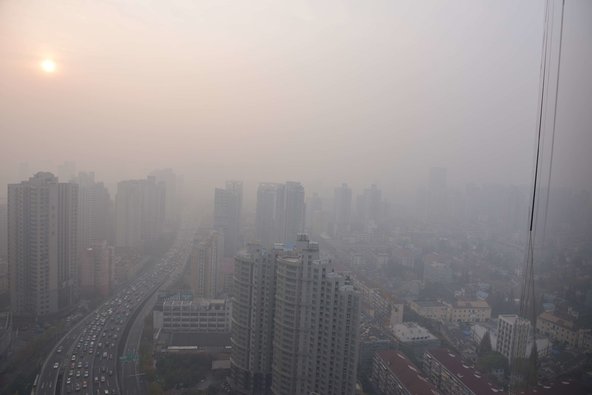
Another very interesting point Miller made is that pollution connects all continents and countries. In other words, as nations may think they are only affecting their environment, they are truly interfering with the environment of nations close to them. In the case of China and India, their polluted air directly affects other nations in near proximity such as California.
Due to human activity and some natural events, it has been proven that the warming of the earth is steadily increasing. With this crisis occurring there is the potential of the sea to rise, droughts, flooding etc. However, it is never too late to change aspects of our daily life. For example, through methods of energy efficiency, that is an immense chance of saving the earth and humans from a potential negative impact. For example, the text discusses the situation in Greenland and how ten percent of the earths freshwater comes from Greenland. Therefore, with this constant development of serious climate change, there is a chance that most of the ice in Greenland will melt. This warming of Greenland can can lead to the sea rising roughly seven meters. Besides the development of climate change, there is another issue we must focus on: ozone depletion. In order to reduce our impact on both climate change and the ozone depletion, we must accept the fact that we as a nation are placing too much pressure on natural resources. By influencing the depletion these resources humans are directly contributing to the emission of greenhouse gases.
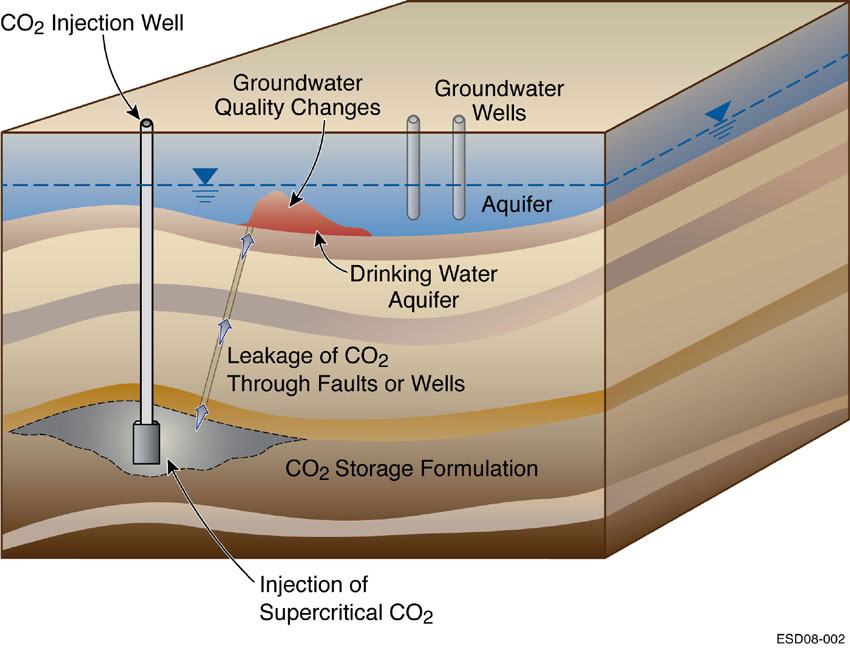
During one of my club meetings (seaj), a peer of mine presented a new piece of technology that is capable of minimizing our carbon impact. By minimizing, I simply been reducing the carbon that is already in the atmosphere. This technology is commonly known as Geologic Sequestration in Deep Saline Aquifers. This newly introduced form of technology aims to capture Carbon from the atmosphere and insert it in large tank deposits under water. After the carbon is captured and placed in these deposits, it comes in contact with salt water from the ocean and it transforms the carbon into precipitates. Once the carbon is transformed into large chunks, then it is impossible to return back to the atmosphere. However, one of the downsides to this is that it can potentially increase the acidity in the ocean. Therefore, while attempting to minimize the impact of greenhouse gases in the atmosphere, this form of technology strongly impacts the increase in ocean acidification. However, I view this technological advancement as a potential benefit. In other words, we as humans are finally placing some consideration in the technologies that are developed. This sequestration of carbon is a head start in a direction that considers the wellbeing of earth, but most importantly attempting to prioritize minimize the damage we have caused.
However, what brings me a sense of hope is that it is apparently not too late to prevent further damage. In other words, if the government became more involved and laws were enacted to interfere with this detrimental process, then this process of creating a cleaner environment can easily be achieved. For example, policies such as the clean air act, and the standards of six pollutants have attempted to help the situation we placed ourselves in. Furthermore, I believe there should also be more regulation on businesses along with subsidies that motivates these businesses to produce in a much more sustainable way.
Business or industries always find ways to work around standards and policies proposed by the government… Is there anyway, besides using subsidies, that can prevent or minimize this form of favoritism?
Word count: 1229
Miller, G. Tyler, and Scott Spoolman. Living in the Environment. Cengage Learning, 2015.
Ramzy, Austin. “Air Pollution Shrouds Eastern China.” The New York Times, The New York Times, 5 Dec. 2013, sinosphere.blogs.nytimes.com/2013/12/05/air-pollution-shrouds-eastern-china/.
“CO2 Leakage on Groundwater Quality.” Earth and Environmental Sciences Area, eesa.lbl.gov/projects/potential-impacts-of-co2-leakage-on-groundwater-quality/.

 Liz's Blog