Liz Galeano
Sustainability Revolution
Environmental studies is a broad subject that consists of a variety of perspectives or disciplines. You can say environmental studies is a highly interdisciplinary subject. It incorporates all forms of perspectives from different fields of work. In other words, our environment can be analyzed and studied through different lenses and disciplines. These different categories focus on different aspects of our environment. For example, on one end, studying the environment from the perspective of someone in the applied arts & science field may focus more on the design and technological advancement of a society in relation to the environment in which they are in. Furthermore, this field primarily focuses on evaluating the structure of a community and determining and introducing new technologies or designs that resolve any concerns relating to the setup of an location/ environment.On the other hand, if you were to analyze the study of the environment through the lense of a humanities subject, one would most likely see environmental concerns and information relating to the values and perspectives of others in different societies and generations. Moreover, this may include the study of geographies, histories, and most importantly the thoughts, opinions, and perspectives of others in relation to the environment. Besides these two interdisciplinary structures that I mentioned above, there is also studies that focuses more on the scientific aspects of the environment. This is divided in two categories; social sciences and environmental science. What is the most important purpose of environmental studies as a whole is the understanding issues and using that knowledge to initiate a positive impact on our environment now and in the future. All these subcategories are essential parts of creating a “sustainability revolution” in their own field for future generations. However, there is one that I believe makes the strongest impact on sustainability awareness and change. Not everyone will share a common interest in the study of our environment, but being exposed at an early age to the issues relating to the environment , one will most likely accommodate their lifestyle in a way that is beneficial to their environment and future generations. In my opinion, the humanities aspect of environmental studies is the most effective way of engaging people and spreading awareness relating to environmental issues
From personal experience, the way in which the importance of sustainability was introduced to me was through education. Education is an essential part of exposing factual information to people, especially younger generations. Through education, younger generations are granted the opportunity to learn about everything that concerns us as humans. In recent years, academic institutions have placed an importance on problems concerning our environment. Over the past few decades, issues relating to our environment and natural resources have become more evident. Personally being a person who shys away from the sciences, I have always been able to grapple and gravitate towards information that conveys overall change in values, and worldviews. Demonstrating how our environment has changed over time due to our negligence towards the environment is much more effective to convey and internalize. This form of communicating information is very effective for those newly introduced to the material and also younger people.
Besides the humanities being more easy to introduce to most people than the sciences, it is important to know that sustainability is strongly related to habits and lifestyle. In order to encourage and develop a culture that values sustainability, people need to engage with environmental related information from a young age. It is obvious that the best way to introduce habits to people is by starting when they are young. By integrating environmental studies in schools curriculums, children will develop a sense of awareness at a very early age. This of course will influence their habits, and customs when it comes to their lifestyle.
I view the humanities field as a resource to gain and internalize information, whereas the sciences involve more technical information and direct actions. Within the humanities field, there are a variety of subjects relating to the environment such as environmental history, geography, literature, philosophy etc. All these subjects are excellent ways of communicating information effectively. For example, environmental history would most likely entail information relating to the origins of our environment. In other words, this specific field would most likely focus on the development of the environment over time. Not only the environment’s development over time, but the influence humans have on the change. The history of our environment should convey information that demonstrates the change in certain aspects of our environment such as the the overuse and decline of our natural resources. Environmental history is one aspect of the humanities that clearly portrays the impact humans have on the environment in a way that can easily be introduced to anyone; despite their interests.
Like mentioned before, the humanities is primarily based on the values and worldviews of humans from different generations and communities. Relating to the encouragement of sustainable habits from a young age, it is essential to teach younger generations about values and morals. The values and impact of our values as humans is heavily analyzed and studied in the humanities field. Therefore, by introducing people to the importance of awareness in relation to the environment in which they live in, they will soon develop the understanding that sustainability is an essential practice that will help preserve the natural resources in the environment. Understanding environmental issues from the humanities lense allows people to quickly pick up on certain habits we humans have that have negatively affected the environment. This field, in my eyes, portrays a clear understanding of the environments development over the years, and the perspectives we humans have on it.
In order to encourage some form of change, such as a sustainability revolution, people need to be aware. This awareness should be introduced as soon as possible in order for people to develop a certain habit and mentality that prioritizes the preservation of the environment. Exposure to the development of the environment of centuries and how how our interaction with the environment change will enable humans to internalize their any potential outcomes. In other words, analyzing the change our environment over time will allow humans to understand the impact humans negligence had on our environment. By simply exposing people to our environment origins and its current status people will slowly integrate sustainability habits into their lifestyle.
In brief, The most effective way of encouraging reform is through the use of education. Most people do attend academic institutions some point in their life, and it is through these institutions that we can expose people to the environmental issues we face and sustainability practices that can reduces the negative impacts of human’s actions.
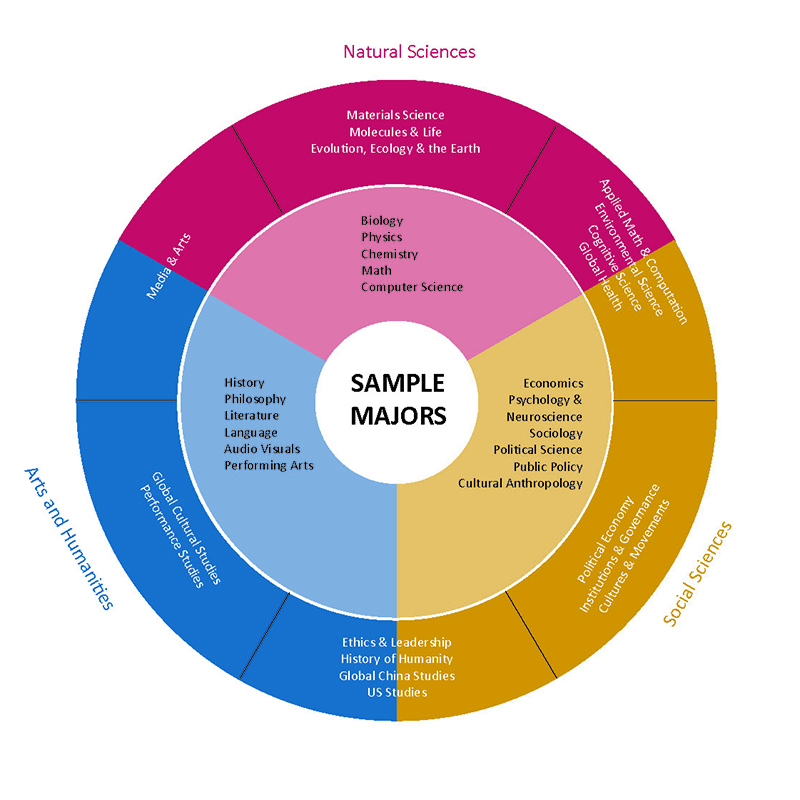
Is integrating environmental education in today’s education system enough to influence a sustainability revolution?
Word count: 1136
Citations:
“Sample Majors: Interdisciplinary Studies and Disciplinary Studies.” Duke Kunshan University – Overview | Duke Kunshan University, dukekunshan.edu.cn/en/node/4525.
Miller, G. Tyler, and Scott Spoolman. Living in the Environment. Cengage Learning, 2015.

 Liz's Blog