A very common environmental issue earth currently faces is the increasing human population. As time progressed, and technology advanced, humans have introduced themselves, and have adapted to different climate zones. Therefore, their existence has become present in most habitats or climate zones on earth. Secondly, because of our advancing technologies, agriculture has significant improved, and the amount of production greatly increased. On a similar note, medicine has significantly improved along with other technologies. Due to the constant introduction of new medicines and advanced studies, standards in living has drastically improved. This later affected the drop in death rates. What is most detrimental about this sudden increase in human population is how these humans are unequally distributed. In other words, most of the incoming humans from this population burst are located in less developed countries. Whereas, a small portion of these humans are located in more developed countries. What is very dangerous about overpopulation is the effects it can have on the environment. Having this large percentage of humans located in less developed countries puts a strain on the natural resources of that specific area. Also, the earth is designed to only support a certain number of people in a way that allows these people to live in comfort using the earth’s natural resources. This “limit” is often referred to as cultural carrying capacity. This sudden boost in the human population can push the limits of the earth’s carrying capacity.
Another very important fact to keep in mind that, although the less developed countries tend to influence the increase in birth rates, it is the more developed countries who have a larger ecological footprint. According to the text, The United States is considered the most overpopulated country in the world. This also refers to the amount of resources each person uses. Therefore, influencing its ecological footprint. Most of the United State’s population growth is influenced by the people who migrate to the country. In this case, legal immigrants account for one third of the US population. It seems as if most people migrate to the US to improve their economic conditions, but also, this sudden boost in incoming migrants will increase the ecological footprint of the country. In brief, there are three important things to keep in mind when referring to overpopulation: cultural carrying capacity, ecological footprint (resource depletion), and unequal distribution of the people (strain on natural resources).The whole purpose of sustainability is to ensure the well being of future generations. In this case, the majority of humans living in more developed countries demand more than their means. In other words, humans are consuming more than the individual limit.
There have been some developing countries that have attempted to approach this issue on overpopulation. In order to reduce the booming birth rates, there have been a a few countries that have attempted to control their population. A very popular example that is commonly referenced in the text is the one- child policy in China. In the 1970s, China was facing severe issues relating to starvation and limited natural resources to support the population. Therefore, they enacted a policy that encouraged families to have no more than one child. This limited the unnecessary boost in population. In class, a group discussed the ethics of the population control in China. The presentation referenced more ethical or fair ways of promoting birth control or population control (mentioned in textbook as well). First off, it is necessary for women to be empowered to make their own decisions, especially when it comes to reproducing. Secondly, education is a key factor in understanding sustainability and our individual role on this earth. The same way environmental education is important for all individuals, it is essential for families especially women to have resources to contraceptives. Not just contraceptives, but if education in general is granted to more women, then this can easily increase the number of women in the workforce.
One of the major ideas presented by Miller is this idea of urbanization. This simply refers to expansion of cities. Urbanization introduces many new industries or corporations that encourage economic growth. Urbanization also provides residents with better resources to health care, education, and planned parenthood resources. Also, Miller stated this idea of population concentration in these cities. This concentration reduces the destruction of the earth’s natural biodiversity. However, I personally believe that urbanization would increase the destruction of biodiversity. Typically, the industries that transport products to urban cities consume more natural resources in other natural habitats or climate zones. Also, with the introduction of urbanization, there has been an increase in several environmental issues. This includes issues relating to clean air and water. This later influences the overall public health of the city. Lastly, urban cities tend to have larger ecological footprints due to their high increase in energy and resource consumption. Although urbanization has more negative impacts on the environment than positive, there has been several ideas that have introduced this concept of transforming these urban cities into a more environmentally sustainable community. This transformation is often referred to as ecocity, and it is a concept that plans to implement a self sustaining structure. Ecocities aim to conserve resources by eliminating the need to use renewable resources that cannot be replaced quickly.
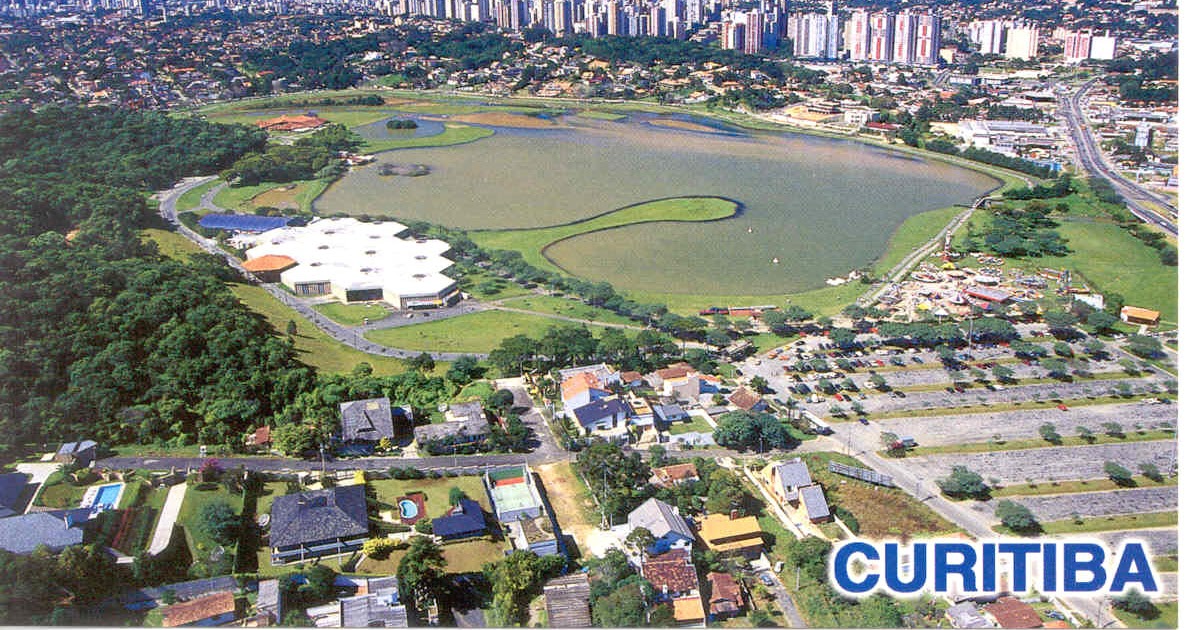
The textbook mentioned a city in Brazil that represented this ideal ecocity. In the late 1960’s in Curitiba, Brazil, city planners wished to implement a a mass transit system .This of course reduces the need for cities to provide accommodations for cars. Since the introduction of this efficient transit system, the majority of residents in this part of Brazil use the transit system. Not only is this mass transit system more efficient, but modern buses have been designed to reduce air pollution. Besides promoting sustainable methods of transportation, Curitiba has also encouraged a recycling system, that has encouraged the reduction of waste. In addition, these recycled materials are collected three times a week. By providing this schedule, residents are in a way enforced to contribute to this sustainable way of living. Another very interesting technology that I found intriguing is this idea od hydroponic gardens. This type of vegetation production can be implemented in buildings and office, or greenhouses. A few advantages of this form of food production is that water can be reused; hydroponic gardening requires less water than soil based gardening. Typically, if these gardens are located in very isolated and sterile locations, there will be no reason to use pesticides. Lastly, this form of gardening requires less space, and can be implemented in most areas.
Most Urban cities do have a high number of low income communities, in this case how can these communities contribute to the sustainability of their environment without the proper resources such as money and education?
Word count : 1139
Ecocitizen. “EcoCitification.” Curitiba, Brazil: Advantages vs. Disadvantages, ecocitification.blogspot.com/2009/12/curitiba-advantages-vs-disadvantages.html.
Miller, G. Tyler, and Scott Spoolman. Living in the Environment. Cengage Learning, 2015.

 Liz's Blog