As time progressed, and species evolved, humans have proved their dominance as organisms on earth. Their ability to think critically, and produce technological advancements that support their wants and needs is the main characteristic that makes humans distinct from other species. However, as the wants and desires for “unnecessary necessities” increased, the exploitation of natural resources increased as well. Due to such technological and societal advancements, humans have become disconnected and unaware of the environment that supplies them with the natural resources they need to preserve such a high maintenance life style. This sense of apathy and greed contributed to the worldviews people have today of society. One of the most commonly known worldviews that has shaped society for centuries is the anthropocentric worldview. This is also referred to as the self centered perspective of the environment. Due to the lack of environmental literacy, most communities adopted this worldview of simply caring for oneself and their personal needs and wants. On the contrary, with more recent discoveries and studies on the detrimental impact humans have on society, a biocentric worldview and mindset has been encouraged. This mindset simply refers to ideals that values and cherishes the beauty and wealth of the environment. Therefore people with this biocentric perspective seek ways to implement sustainability practices into their everyday lives.
This chapter primarily discusses the steps humans can take within their community to minimize their impact on the environment. However, the first step to contributing to the environment is literacy. It is essential to understand and internalize the effects our daily activities. There were a few important concepts listed in the chapter that emphasizes important ideals essential to environmental literacy. First off, it is important to understand that natural capital is vital for the well being of the earth and our economies. In other words, we must understand that every aspect of environment has its importance. Second off, our ecological footprint has grown a significant amount over time. Everyday our exploitation of natural resources is increasing and it is essential to remember that our resources are not unlimited. Therefore, the more we encourage this “high maintenance” lifestyle, the more our natural resources will decline. This can lead to the shortage of natural resources that were once used to sustain human life on earth.
Lastly, environmental changes such as climate change can not be fixed. In other words, once a certain point is reach, there is no way of turning back and eliminating our impact; there will be no human technological advancement that can undo human activities. (Miller 666).
A way to emphasize the importance of altering our worldviews and environmental literacy, Miller presented a case study. The case study referred to a project called Biosphere 2, and in this project a group of biologists and scientists gathered to mimic the natural environment. This projected really demonstrated the importance of the environment and how we need the earth more than it needs us. Also, it is impossible for humans to mimic the natural environment using technological advancements. With this project, the ones involved attempted to recreate a society using technology to sustain their life. They closed themselves off form the natural environment in a glass sheltered building. They carefully chose specific organisms that they thought were most essential in the environment. The organisms they chose were based on their needs. Organisms that supplied them with food, air, and water. In conclusion, the experimenters were very unsuccessful; most of the organisms they had chosen had died way before the planned “end time” of the experiment. Not only were most of their chosen organisms extinct, but their food supply did very little to nourish their bodies. They were unable to produce a sufficient amount of oxygen, sustain living organisms they needed to lie, and they were unable to efficiently and healthy provide themselves with nourishing food.
Miller had a very interesting and effective way of describing our roles in relation to the well being of the earth. As humans we views the earth as physical property of ours. We have this mentality that the earth belongs to us. However, it is quite the opposite, we are just organisms that are part of the earth. We do not own the earth, in reality we are components of the earth. Therefore, with the way humans live today, our natural resources are being used up more that the earth can reproduce. Our mentality as humans encourage us to satisfy our wants and needs, leading to this sense of greed. Due to this immense amount of selfishness and greed, we are affecting not just the environment in the future generations of humans and other species.
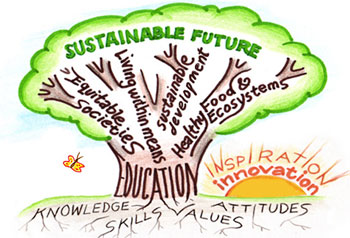
Another step I found essential to this problem of ignorance and greed, is incorporating the three most important suitability ideals into our everyday thinking activities. Moreover, through these quick changes in lifestyles we can quickly prevent this problem of resource exploitations and extinctions from advancing. For example, by simply converting all our sources of energy to from fossil fuels to solar energy we are quickly eliminating the potential annihilation of natural resources. Also, by respecting our boundaries with resource exploitations, we are directly contributing to the maintenance of nutrient cycling. Lastly, biodiversity is an essential part of our everyday living. In other words, without the diversity of organisms in our environment, we would be unable to maintain the everyday necessities of human beings. This goes back to this idea of respecting every single organism placed within our ecosystem. Although we are unable to see the physical impact of many organisms, they all have their purpose and role.
Lastly, when realizing all the detrimental affects we have already have on society, most people go through two specific phases. One phase is this heavy reliance on technology and this idea that technology advancements will save us from this potential “end”. The last mentality is one I personally find myself falling into: the hopeless and sad. These certain people lose all faith in the resilience of humans in relation to our ethical responsibility towards the environment. Personally, when I feel this sense of hopelessness towards the promises of change and sustainability, I remind myself that by giving up I am only adding to the greed and selfishness of humanity. That thought is more devastating than the thoughts of hopelessness. If we fall into either trap, it is simply because we have not encountered enough information that can develop our fight for change.
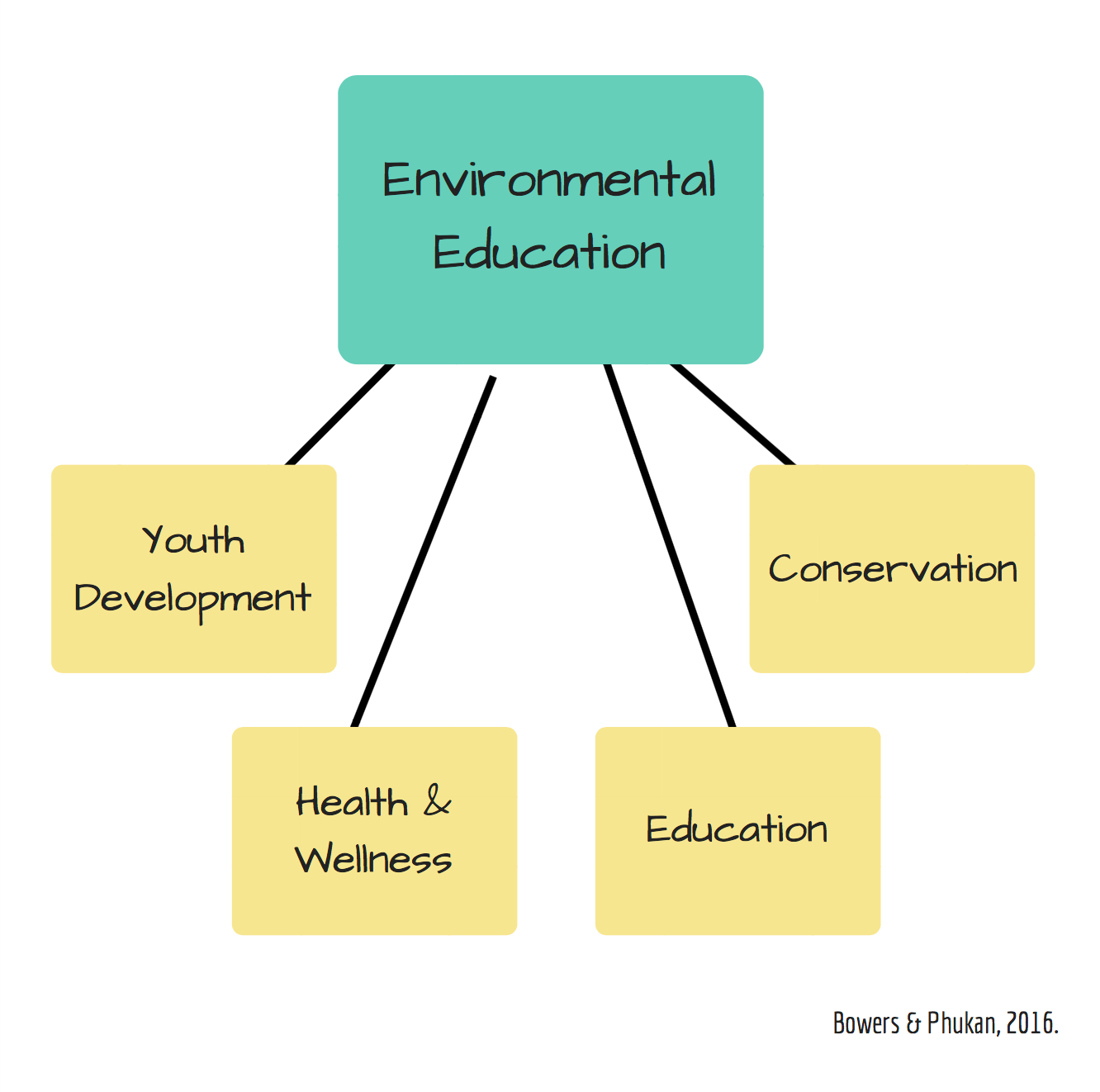
Personally, I believe one of the most effective ways of education individuals is through hands on or first person experiences. As a person raised in New York City, I rarely had interactions with nature or the natural environment. Also, environmental education was never a subject introduced in most urban schools. Therefore, in a way, I was unaware of the severity of human ecological footprints. However, during my high school career I joined an outdoors program that introduced me to outdoor recreational activities. Only after this experience in nature did I become aware of the beauty of nature and all the gifts and resources the environment provides for us. Through this hands on experience, I was able to understand how severe the exploitation of natural resources truly is. In brief, in order for individuals to internalize and implement environmental ethics, and literacy into their everyday lives, it is essential for these individuals to be exposed through “hands on” experiences.
Is environmental literacy/ ethics enough to “persuade” people to live sustainably ?(people with limited opportunities to interact with nature or people who come from low income neighborhoods)
Word Count: 1272
“Environmental Literacy – Teaching 21st Century Literacies.” Google Sites, sites.google.com/site/teaching21stcenturyliteracies/environmental-literacy.
Miller, G. Tyler, and Scott Spoolman. Living in the Environment. Cengage Learning, 2015.
“Why Is Environmental Education Important?” Environmental Education Association of New Mexico, eeanm.org/about/why-ee/.

 Liz's Blog